Management Systems World
All on Quality and other Standards in one place since 2010. Now Worldwide.
News Asia
Please note that you have to be a registered member with paid membership in order to see full articles.
RegisterSelected News
Vietnam Sets Rules for Halal Product Quality and Certification
The Government of Vietnam has issued Decree No. 127/2026/ND-CP, setting a legal framework for managing the quality of halal products and services and supporting their development.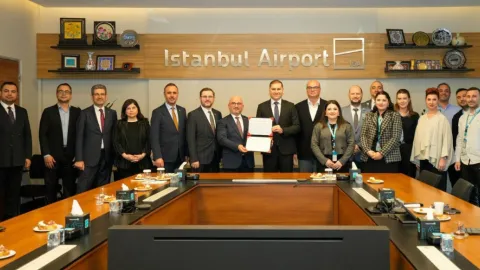
Istanbul Airport Earns ISO 46001 Water Efficiency Certification
Istanbul Airport operator İGA has earned TS ISO 46001 certification for its water efficiency management system, following an audit conducted by the Turkish Standards Institution (TSE).
China Updates Laboratory Accreditation Rules for Medical Device Testing
China National Accreditation Service for Conformity Assessment (CNAS) has issued a revised version of its guidance for applying laboratory accreditation criteria in medical device testing, with CNAS-CL01-A004:2026 set to take effect on May 1, 2026.
Vietnam Introduces Structured Planning and Review Rules for National Standards
The Ministry of Science and Technology of Vietnam (MST) has issued Circular No. 13/2026/TT-BKHCN, introducing detailed rules for planning, public consultation, and periodic review of national standards in the country.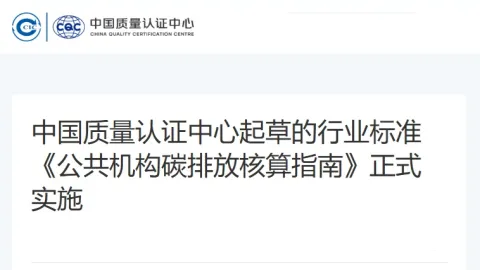
China Issues New Guide For Public Institution Carbon Accounting
A new industry standard for carbon accounting in public institutions took effect on April 1, marking a step toward more consistent measurement and management of emissions across China’s public sector.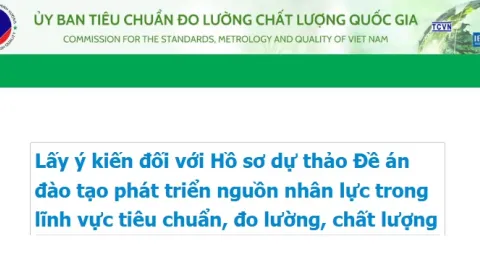
Vietnam Seeks Input On Plan To Build Standard Workforce Through 2030
The Ministry of Science and Technology (MST) has opened consultation on a draft national plan to train and develop the workforce in standardization, metrology, and quality through 2030 and beyond.
KAB Updates Accreditation Rules to Add Sustainability Certification and Revise Privacy Scheme
The Korea Accreditation Board (KAB) has updated its accreditation manual, introducing a new sustainability certification scheme and revising how privacy certification is structured, alongside changes to how certification bodies are assessed.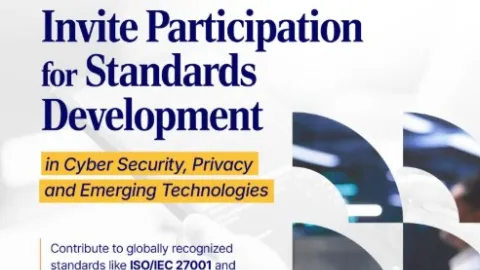
Call for Participation in Cybersecurity, Privacy, and Emerging Technology Standards Opens in India
A new call for participation in developing standards for cybersecurity, privacy, and emerging technologies has been launched by the Bureau of Indian Standards (BIS) and the Data Security Council of India (DSCI), a nonprofit industry body focused on data protection and cybersecurity.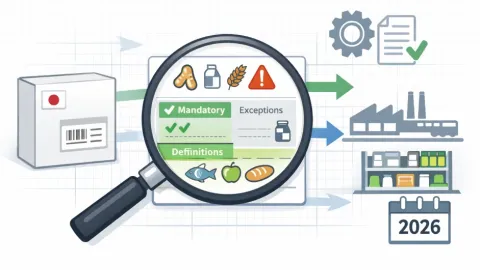
Japan Updates Food Labeling Rules for Allergen Information
The Consumer Affairs Agency (CAA) has revised Japan’s Food Labeling Standards to update allergen information and improve how key safety details are presented on food products.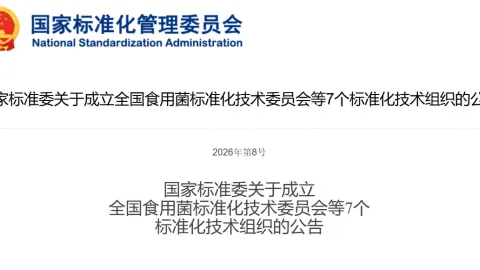
China Sets Up Seven Standardization Bodies Including Humanoid Robots Group
The Standardization Administration of China (SAC) has announced the creation of seven new national technical committees and subcommittees, expanding standardization work across sectors from agriculture to advanced technologies.
Saudi Standards Body Infographic Highlights 2026 Quality, Safety and Inspection Results
The Saudi Standards, Metrology and Quality Organization (SASO) has released an infographic outlining its 2026 activities in standards, product safety, and inspection programs across the Kingdom.
JSA Launches International Standardization Strategy Center
The Japan Standards Association (JSA) established a new International Standardization Strategy Promotion Center on April 1, 2026, to support government-led priority sectors and strengthen Japan’s role in international standardization.Global News
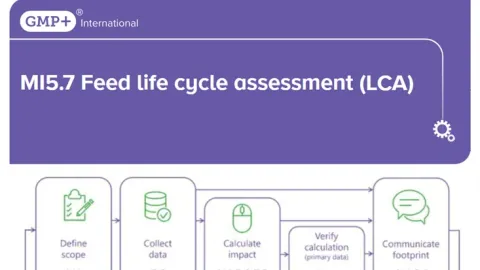
GMP+ International Launches Feed Life Cycle Assessment Standard
The GMP+ International has launched the MI5.7 Feed Life Cycle Assessment LCA standard, introducing a harmonized method for calculating and communicating the environmental impact of feed products across the supply chain.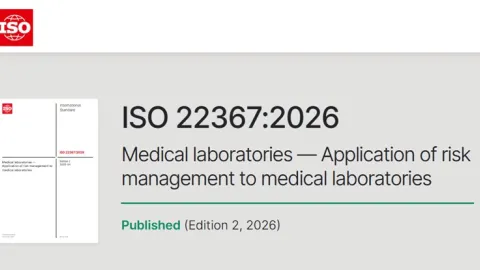
ISO 22367:2026 Revises Risk Management Guidance for Medical Laboratories
The International Organization for Standardization (ISO) has published ISO 22367:2026, a revised standard that provides medical laboratories with a structured approach to identifying, assessing, and controlling risks across laboratory activities and testing processes.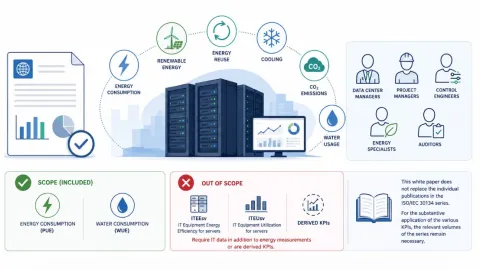
ISO 30134 Series KPIs Highlighted in New Data Center Energy and Water Whitepaper
A new whitepaper published by the International Organization for Standardization (ISO) explains how key performance indicators (KPIs) from the ISO/IEC 30134 series can be used to measure and report energy and water use in data centers.
CSQ Invites Comments on Cannabis EU GMP Certification Addendum
Cannabis Safety & Quality (CSQ) has opened a public comment period for a new EU GMP certification addendum,
FSSC 22000 Version 7 Updates Prerequisite Programs And Aligns With GFSI 2024
The Foundation FSSC has released Version 7 of the FSSC 22000 food safety management system certification scheme, introducing updated prerequisite programs (PRPs) and aligning the scheme with the 2024 Global Food Safety Initiative requirements.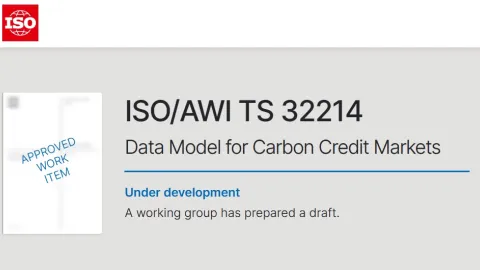
ISO Develops Carbon Credit Data Model Standard, Calls for Input
A new data model for carbon credit markets is being developed by ISO’s sustainable finance and financial services committees, with early input still open to stakeholders.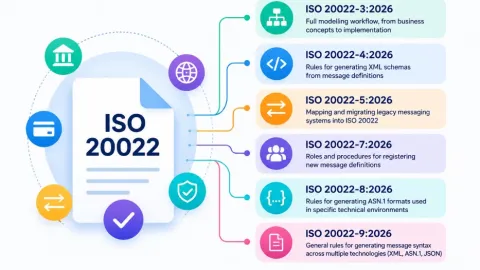
ISO 20022 Series Update Sets New Rules as Payment Systems Prepare for Implementation
The International Organization for Standardization (ISO) has published updated and new parts in the ISO 20022 series, as major payment systems advance their implementation of the standard on closely aligned timelines.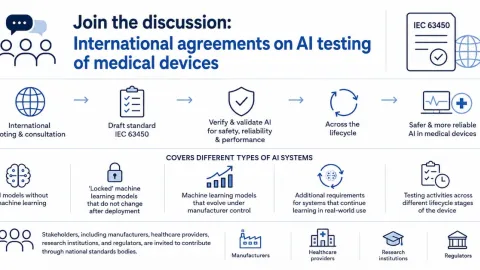
Consultation Underway On Global Standard For AI Testing In Medical Devices
An international voting and consultation phase is underway for a new standard that sets requirements for testing artificial intelligence (AI) and machine learning (ML) in medical devices.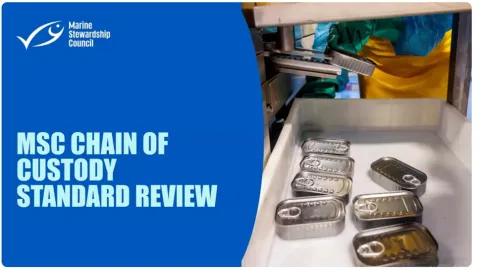
MSC Opens Review Of Chain Of Custody Standard For Public Consultation
The Marine Stewardship Council (MSC) has launched a public consultation on proposed revisions to its Chain of Custody Standard, inviting stakeholders across the seafood supply chain to provide feedback until May 30, 2026.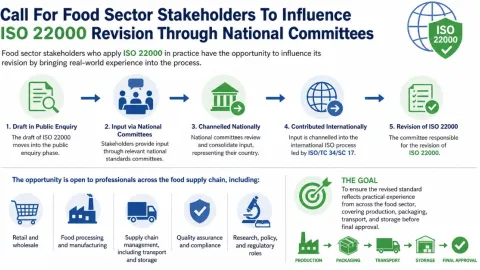
Call For Food Sector Stakeholders To Influence ISO 22000 Revision Through National Committees
Food sector stakeholders who apply ISO 22000 in practice have the opportunity to influence its revision by bringing real-world experience into the process.
AutoCarbon Certification Scheme Due in 2027 As Pilot Phase Begins
The International Automotive Oversight Bureau (IAOB) has announced AutoCarbon,