Management Systems World
All on Quality and other Standards in one place since 2010. Now Worldwide.
News Asia
Please note that you have to be a registered member with paid membership in order to see full articles.
RegisterSelected News
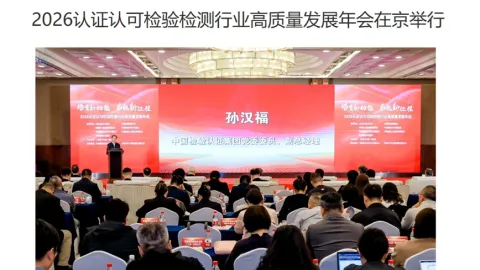
TIC Industry Conference in Beijing Focuses on Trust, Restructuring, and Global Standards Role
The China Quality Certification Center (CQC) hosted the 2026 annual conference on testing, inspection, and certification (TIC) in Beijing on March 26, focusing on strengthening trust, supporting trade, and guiding industry transformation.
JB International Achieves BCI Good Cotton Certification
The Taiwan branch of JB International Co., Ltd. has achieved Better Cotton Initiative (BCI) certification, completing system setup and external verification to align its cotton sourcing with international sustainability requirements.
Japan Names 2026 Recipient Of RQES And JSA Chairman Award
The Robust Quality Engineering Society (RQES) has named Hiroyuki Narahara of Kyushu Institute of Technology (Kyutech) as the recipient of the 11th RQES and Japanese Standards Association (JSA) Chairman’s Award.
KATS Opens 2026 Recruitment For Engineering And Language Standardization Roles
The Korean Agency for Technology and Standards (KATS) has opened its 2026 recruitment for in-house experts to support the development and review of standards in engineering and language fields.
Standards Watch 31 Highlights Electric Cooking Safety Under BIS Framework
The Bureau of Indian Standards (BIS) has released the 31st edition of its Standards Watch series,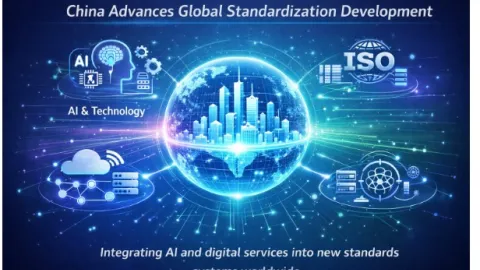
China Sets Up Three Regional AI Standardization Groups With Distinct Roles
The Standardization Administration of China (SAC) has established three regional working groups for artificial intelligence, each with a defined focus ranging from international standards work to industrial application.
Singapore Accreditation Council Completes APAC Peer Evaluation
The Singapore Accreditation Council (SAC) has completed a peer re-evaluation by the Asia Pacific Accreditation Cooperation (APAC), confirming its continued alignment with international accreditation practices under the Mutual Recognition Arrangement (MRA).
China Organizes National Push For Codex Agricultural Proposals
China has launched a national call for proposals to support its participation in Codex Alimentarius Commission (CAC) work in the agricultural sector,
South Korea Sets Five-Year Standards Strategy for AI, Mobility and Robotics
The Korean Agency for Technology and Standards (KATS) announced a new five-year national standards plan aimed at strengthening its position in global technology markets, with a focus on AI and future industries.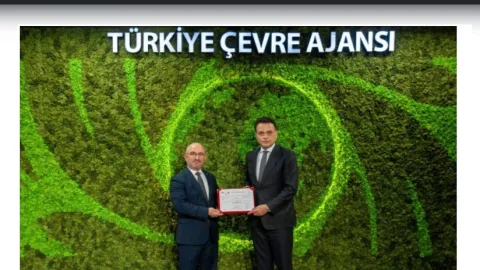
Türkiye Environmental Agency Secures Three Certifications From TSE
The Türkiye Environmental Agency has been certified to three internationally recognized management system standards by the Turkish Standards Institution (TSE) after successfully completing audits.
China Clarifies Registration Rules for Special Medical Foods Under New Standards
The State Administration for Market Regulation (SAMR) has issued a Q&A to explain how foods for special medical purposes (FSMP) should be registered under China’s updated national standards, helping companies understand how to apply the new rules in practice.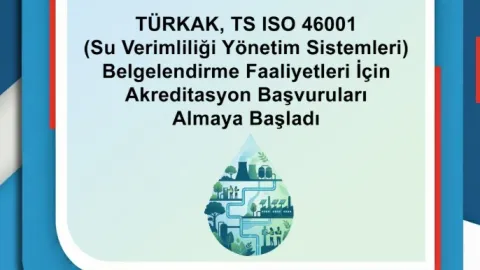
TURKAK Opens Accreditation For ISO 46001 Water Efficiency Certification Activities
The Turkish Accreditation Agency (TURKAK) has begun accepting accreditation applications for certification bodies under TS ISO 46001, a standard focused on water efficiency management systems.Global News
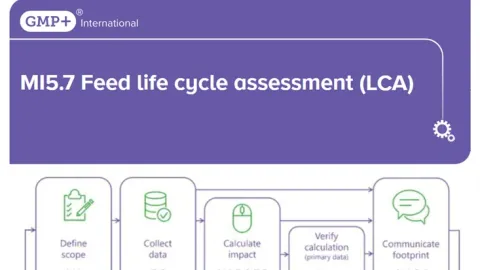
GMP+ International Launches Feed Life Cycle Assessment Standard
The GMP+ International has launched the MI5.7 Feed Life Cycle Assessment LCA standard, introducing a harmonized method for calculating and communicating the environmental impact of feed products across the supply chain.
ISO 22367:2026 Revises Risk Management Guidance for Medical Laboratories
The International Organization for Standardization (ISO) has published ISO 22367:2026, a revised standard that provides medical laboratories with a structured approach to identifying, assessing, and controlling risks across laboratory activities and testing processes.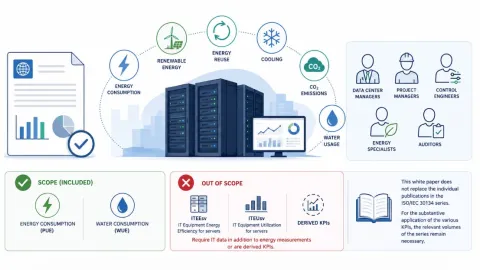
ISO 30134 Series KPIs Highlighted in New Data Center Energy and Water Whitepaper
A new whitepaper published by the International Organization for Standardization (ISO) explains how key performance indicators (KPIs) from the ISO/IEC 30134 series can be used to measure and report energy and water use in data centers.
CSQ Invites Comments on Cannabis EU GMP Certification Addendum
Cannabis Safety & Quality (CSQ) has opened a public comment period for a new EU GMP certification addendum,
FSSC 22000 Version 7 Updates Prerequisite Programs And Aligns With GFSI 2024
The Foundation FSSC has released Version 7 of the FSSC 22000 food safety management system certification scheme, introducing updated prerequisite programs (PRPs) and aligning the scheme with the 2024 Global Food Safety Initiative requirements.
ISO Develops Carbon Credit Data Model Standard, Calls for Input
A new data model for carbon credit markets is being developed by ISO’s sustainable finance and financial services committees, with early input still open to stakeholders.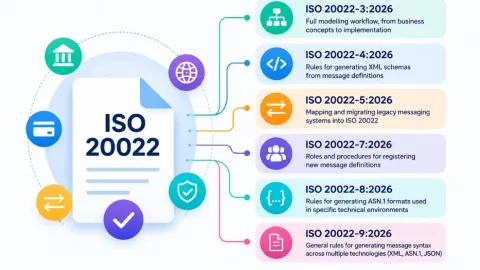
ISO 20022 Series Update Sets New Rules as Payment Systems Prepare for Implementation
The International Organization for Standardization (ISO) has published updated and new parts in the ISO 20022 series, as major payment systems advance their implementation of the standard on closely aligned timelines.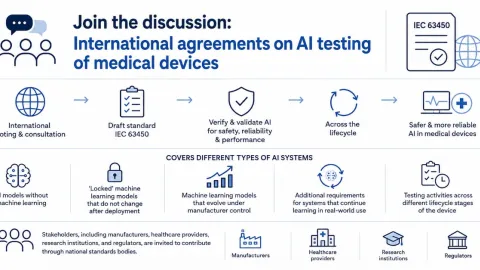
Consultation Underway On Global Standard For AI Testing In Medical Devices
An international voting and consultation phase is underway for a new standard that sets requirements for testing artificial intelligence (AI) and machine learning (ML) in medical devices.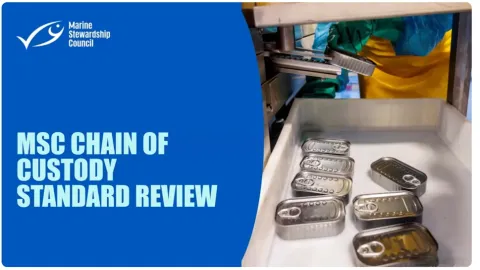
MSC Opens Review Of Chain Of Custody Standard For Public Consultation
The Marine Stewardship Council (MSC) has launched a public consultation on proposed revisions to its Chain of Custody Standard, inviting stakeholders across the seafood supply chain to provide feedback until May 30, 2026.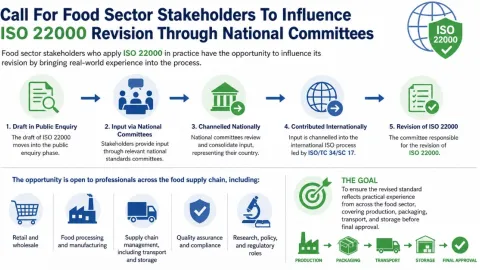
Call For Food Sector Stakeholders To Influence ISO 22000 Revision Through National Committees
Food sector stakeholders who apply ISO 22000 in practice have the opportunity to influence its revision by bringing real-world experience into the process.
AutoCarbon Certification Scheme Due in 2027 As Pilot Phase Begins
The International Automotive Oversight Bureau (IAOB) has announced AutoCarbon,