Management Systems World
All on Quality and other Standards in one place since 2010. Now Worldwide.
News
Please note that you have to be a registered member with paid membership in order to see full articles.
RegisterSelected News
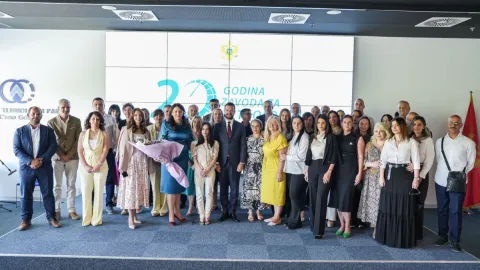
Montenegro’s Bureau of Metrology Marks 20 Years
Montenegro’s Bureau of Metrology marked 20 years of work, highlighting the development of the country’s national measurement system and priorities for its next stage of growth.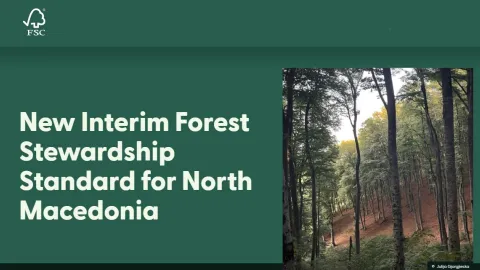
Interim FSC Forest Stewardship Standard Published for North Macedonia
The Forest Stewardship Council (FSC) has published its first Interim Forest Stewardship Standard for North Macedonia, creating a national framework for FSC forest management certification.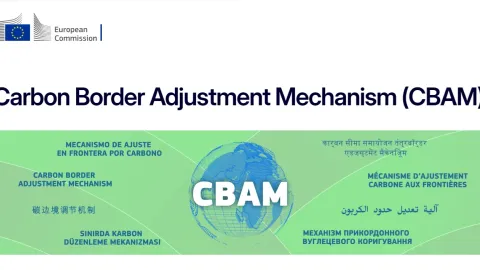
EU CBAM Verification System Moves Into Operation as Verifier Registration Begins
The European Commission (EC) has published new guidance on Carbon Border Adjustment Mechanism (CBAM) verification and accreditation as the system moves into operation.
Patient Companion Standard Sets Limits on Non-Medical Help During Hospital Visits in China
China’s State Administration for Market Regulation (SAMR) has approved the country’s first national standard specifically for paid patient companion services,
Management Takes Dominant Role in Vietnam’s 2026 National Quality Award Scoring
Management will account for 750 of the available 1,000 points under Vietnam’s 2026 National Quality Award assessment, making it the main factor in how businesses are evaluated.
Japan Standards Association Opens 2027 Grants for University Standardization Education
The Japanese Standards Association (JSA) has opened applications for its 2027 grant program supporting standardization education and related research at universities and graduate schools in Japan.
NBN Invites Nominations for 2026 Expert Awards
Belgium’s Bureau for Standardisation (NBN) is inviting nominations for the NBN Expert Awards 2026, which recognize experts for exceptional commitment to standards development.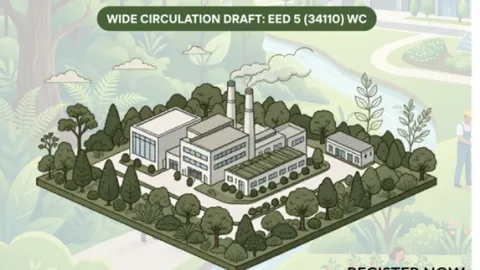
BIS Held Stakeholder Consultation on Draft Greenbelt Standard for Industrial Projects
The Bureau of Indian Standards (BIS) held a national stakeholder consultation on September 9, 2026, on a draft Indian standard for greenbelts, or planted buffer areas around industrial sites. The draft remains open for stakeholder comments until September 22, 2026.
12th ‘CQC TALK’ Knowledge-Sharing Event Hosts Joint China-UK Standards Exchange
The China Quality Certification Centre (CQC) and British Standards Institution (BSI) held the 12th “CQC TALK” event on August 27 as a joint English-language session for sharing knowledge and practical experience in standards, certification and related fields.
Sweden Sets Crisis Priority Rules for Notified Bodies
The Swedish Board for Accreditation and Conformity Assessment (Swedac) has changed its rules so that, during certain EU-declared emergencies, notified bodies must give priority to checking products that are considered essential for responding to the crisis.
USNC Opens 2026–2027 Mentoring Program With New TAG Pilot
The U.S. National Committee of the International Electrotechnical Commission (USNC) is taking applications through September 18 for its 2026–2027 mentoring program for newer professionals working in standards and conformity assessment.
Russian Institute for Standardization Launches Digital Library With 54,000 Documents
The Russian Institute for Standardization (RST) has launched a Digital Standards Library providing access to more than 54,000 official documents from Russia’s national standardization system.Global News
ISO 9001 Revision Moves Into Formal FDIS Ballot Phase
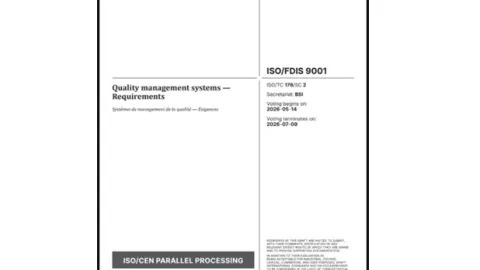
The International Organization for Standardization (ISO) has advanced the revision of ISO 9001 to the next step of the Final Draft International Standard (FDIS) approval process, with the project now listed at stage 50.20 following the earlier 50.00 status.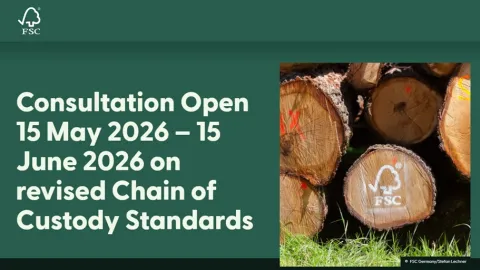
FSC Opens Consultation on Chain of Custody Revisions as Two Core Standards Reach Final Phase
The Forest Stewardship Council (FSC) has opened consultation on revisions to five Chain of Custody (CoC) documents, with two core standards now entering the final consultation phase.
CanadaGAP Seeks GFSI Recognition for Updated Food Safety Programs
The Global Food Safety Initiative (GFSI) has opened a public stakeholder consultation as CanadaGAP seeks recognition for updated food safety certification programs covering fruit and vegetable operations.
Efforts to Broaden Application of ISO 21378 Underway
Following last year’s confirmation of ISO 21378:2019, a standard for structured audit data collection and exchange, work within ISO/TC 295/WG 1 is now focused on broadening how the standard is applied across organizations.
ISO 14019-3 Working Draft Reviewed Ahead of October Stage Decision
The development of ISO 14019-3, a proposed international standard on sustainability information validation processes,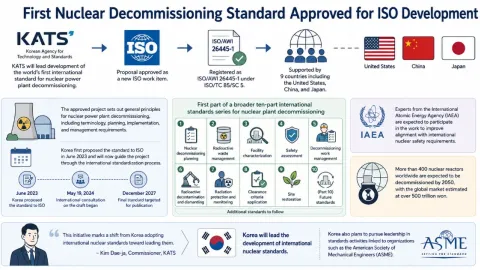
First Nuclear Decommissioning Standard Approved for ISO Development
The Korean Agency for Technology and Standards (KATS) will lead development of the world’s first international standard for nuclear power plant decommissioning after its proposal was approved as a new ISO work item.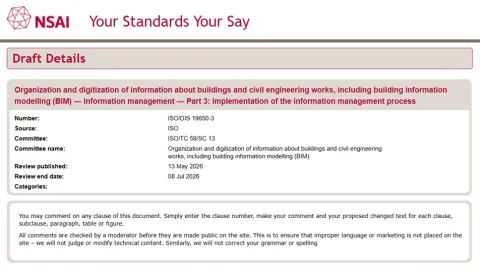
Public Consultation Opens for Revised ISO 19650-3 BIM Standard
A public consultation has opened for the revised draft of ISO 19650-3, the part of the ISO 19650 series focused on information management during the operational phase of built assets.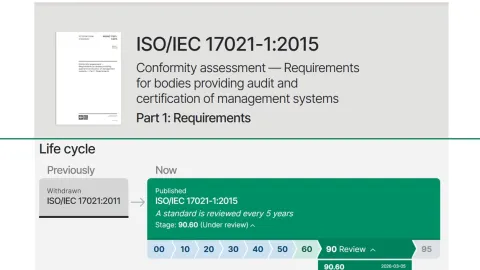
ISO/IEC 17021-1 Confirmation Keeps Certification Rules Stable
The International Organization for Standardization’s (ISO) Committee on Conformity Assessment (ISO/CASCO) has confirmed continuation of the current edition of ISO/IEC 17021-1,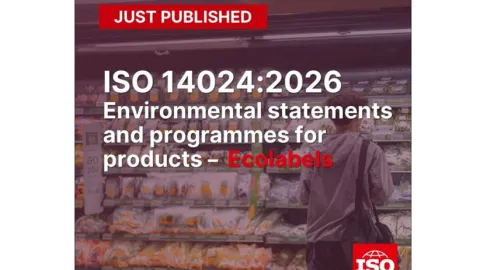
Revised ISO 14024 Aims to Prevent Greenwashing in Ecolabel Programs
The International Organization for Standardization (ISO) has published the third edition of ISO 14024, revising requirements for ecolabel certification programs to improve verification of environmental claims and help prevent greenwashing,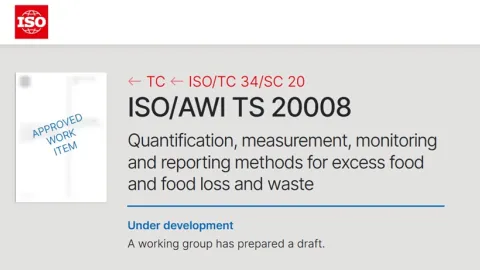
Experts Sought for ISO TS 20008 Food Waste Measurement and Reporting Project
The International Organization for Standardization (ISO) has started development of ISO/AWI TS 20008,
Joint ISO and IEC Team Releases Information Model for SMART Content
The International Organization for Standardization (ISO) and the International Electrotechnical Commission (IEC) have released the first version of the IEC & ISO Information Model for SMART content,