Management Systems World
All on Quality and other Standards in one place since 2010. Now Worldwide.
News
Please note that you have to be a registered member with paid membership in order to see full articles.
RegisterSelected News

Inmetro Closes 2026 Research Grant Applications, Results Due September 23
Brazil’s National Institute of Metrology, Quality and Technology (Inmetro) has closed applications for its 2026 Pronametro research and thematic action grants.
UNE Outlines ISO 9001 Changes and Announces September 17 Meeting
With the release of ISO 9001:2026 just days away, the Spanish Association for Standardization (UNE) has released a video outlining the main changes in the new edition and announced a September 17 event focused on the standard.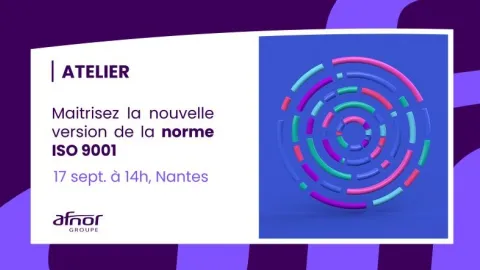
AFNOR Schedules Workshop About Changes in ISO 9001:2026
The AFNOR Group will hold a workshop in Nantes on September 17 on the main changes in ISO 9001:2026, one day after the revised standard is expected to be officially published.
Rayvatek Completes Nadcap Preparation and Training Program
Rayvatek has completed a Nadcap consulting program covering system development, staff training and support through an external audit, with the work focused on strengthening controls for aerospace special processes.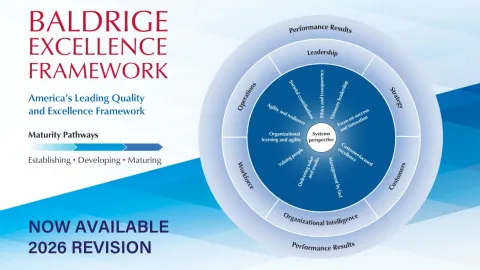
New Baldrige Excellence Framework Introduces Three Organizational Maturity Pathways
The Foundation for the Malcolm Baldrige National Quality Award (Baldrige Foundation) has released the 2026 Baldrige Excellence Framework for business, nonprofit and government organizations,
China Introduces Simplified Work Safety Management System Standard for Small Businesses
China has introduced GB/T 47911-2026, a national standard designed to give small and micro-sized enterprises a simpler and more usable system for managing workplace safety.
Swedac Launches New Accreditation Search With AI Assistant Access
Swedish Board for Accreditation and Conformity Assessment (Swedac) has launched a new search service for its accreditation register, making it easier to find and verify accredited organizations.
How NEN 7510 Provides a Starting Point for New Cybersecurity Act Requirements
With the Dutch Cybersecurity Act (Cbw) now in force, healthcare organizations already using NEN 7510 can use their existing risk assessments, security measures as a starting point for addressing the new requirements.
Australia Plans Free Access to Selected Legally Referenced Standards
Standards Australia (SA) is preparing government-sponsored online access to selected Australian Standards referenced in federal, state and territory laws and regulations, following funding announced in Australia’s 2026-27 Budget.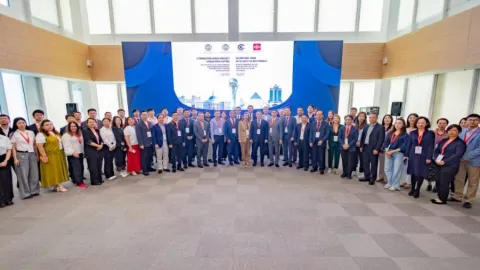
Kazakhstan Proposes First ISO Standard for Horse Meat Products
Kazakhstan has proposed developing the first international ISO standard for finished horse-meat products, using an existing regional standard as a possible basis.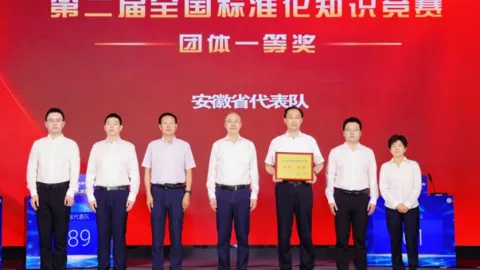
Anhui Wins China’s National Standardization Knowledge Competition
The Anhui provincial team won China’s second National Standardization Knowledge Competition in Beijing on August 26, after 246,000 standards professionals took part in the nationwide preliminary round organized by the State Administration for Market Regulation (SAMR).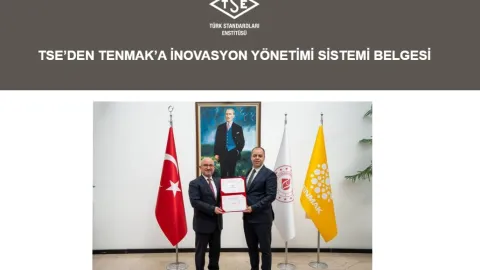
Turkish Energy and Nuclear Research Agency Renews ISO 56001 Certification
The Turkish Standards Institution (TSE) has renewed the TS EN ISO 56001 Innovation Management System certificate of the Turkish Energy, Nuclear and Mineral Research Agency (TENMAK) after the agency successfully completed TSE audits.Global News
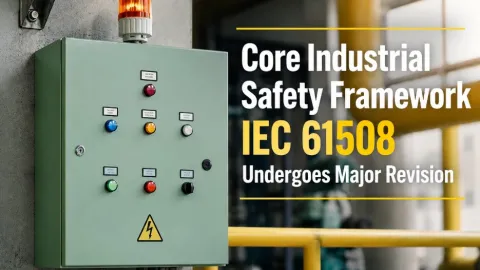
Core Industrial Safety Framework IEC 61508 Undergoes Major Revision
The IEC 61508 series, the international foundation for many industrial functional safety standards,
FSC Proposes New Rules for Certification Statements and Audit Duration
The Forest Stewardship Council (FSC) has opened a public consultation on two draft Advice Notes that would update certification body requirements related to certification statements and minimum audit duration for Forest Management audits.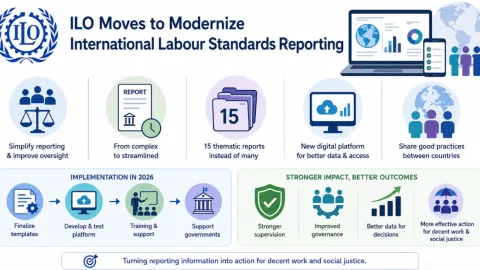
ILO Moves to Modernize International Labour Standards Reporting
The International Labour Organization (ILO) is preparing a major overhaul of how countries report on international labour standards.
ISO 9001 Revision Moves Into Formal FDIS Ballot Phase
The International Organization for Standardization (ISO) has advanced the revision of ISO 9001 to the next step of the Final Draft International Standard (FDIS) approval process, with the project now listed at stage 50.20 following the earlier 50.00 status.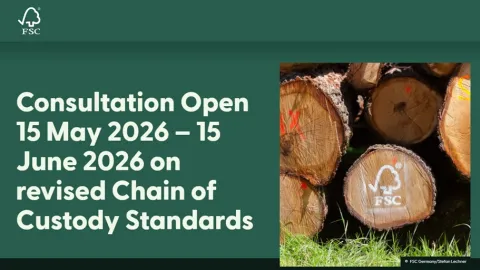
FSC Opens Consultation on Chain of Custody Revisions as Two Core Standards Reach Final Phase
The Forest Stewardship Council (FSC) has opened consultation on revisions to five Chain of Custody (CoC) documents, with two core standards now entering the final consultation phase.
CanadaGAP Seeks GFSI Recognition for Updated Food Safety Programs
The Global Food Safety Initiative (GFSI) has opened a public stakeholder consultation as CanadaGAP seeks recognition for updated food safety certification programs covering fruit and vegetable operations.
Efforts to Broaden Application of ISO 21378 Underway
Following last year’s confirmation of ISO 21378:2019, a standard for structured audit data collection and exchange, work within ISO/TC 295/WG 1 is now focused on broadening how the standard is applied across organizations.
ISO 14019-3 Working Draft Reviewed Ahead of October Stage Decision
The development of ISO 14019-3, a proposed international standard on sustainability information validation processes,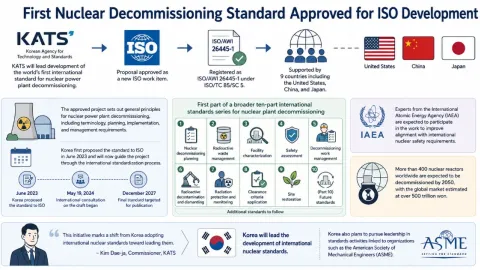
First Nuclear Decommissioning Standard Approved for ISO Development
The Korean Agency for Technology and Standards (KATS) will lead development of the world’s first international standard for nuclear power plant decommissioning after its proposal was approved as a new ISO work item.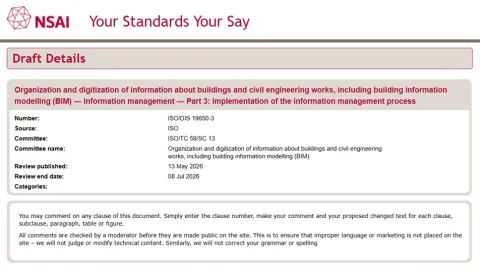
Public Consultation Opens for Revised ISO 19650-3 BIM Standard
A public consultation has opened for the revised draft of ISO 19650-3, the part of the ISO 19650 series focused on information management during the operational phase of built assets.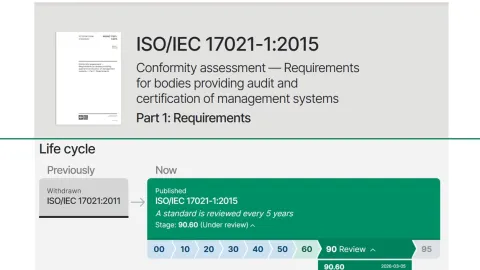
ISO/IEC 17021-1 Confirmation Keeps Certification Rules Stable
The International Organization for Standardization’s (ISO) Committee on Conformity Assessment (ISO/CASCO) has confirmed continuation of the current edition of ISO/IEC 17021-1,