Management Systems World
All on Quality and other Standards in one place since 2010. Now Worldwide.
News IT / Telecommunication
Please note that you have to be a registered member with paid membership in order to see full articles.
RegisterSelected News
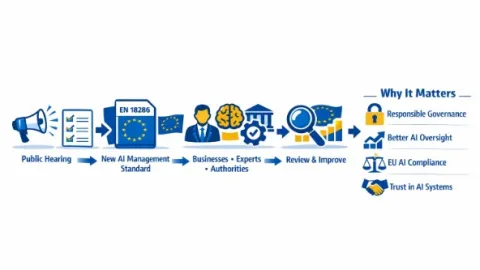
High Interest Across Europe As EN 18286 AI Management Standard Draws Over 1,000 Comments
A forthcoming European management system standard for artificial intelligence, EN 18286, aimed at quality management systems for high-risk AI systems, has attracted more than 1,000 comments during its public consultation.
China Launches Global AI Standards Library And Terminology Database
China has officially introduced a global artificial intelligence standards library and a global AI terminology database, consolidating key standards and definitions to support the development and coordination of AI standardization work.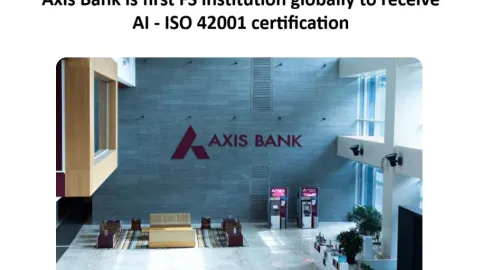
Axis Bank Becomes First Financial Services Institution to Receive ISO 42001 AI Certification
Axis Bank, one of the largest private sector banks in India, has become the first financial services institution globally to be certified to ISO/IEC 42001 for its Artificial Intelligence Management System (AIMS).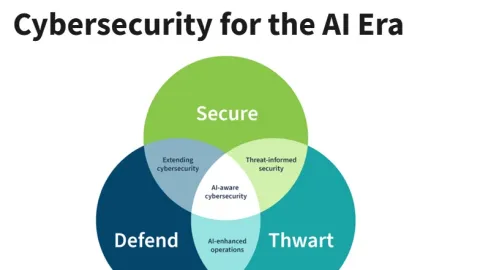
NIST Releases Draft on How Cybersecurity Programs Can Adapt to Artificial Intelligence
The National Institute of Standards and Technology (NIST) has released a preliminary draft that explains how organizations can adapt their cybersecurity programs to the growing use of artificial intelligence.
Brain-Computer Interfaces Joint Committee Proposed Within CEN-CENELEC
A new joint European technical committee focused on brain-computer interfaces has been proposed within the CEN-CENELEC system,
Italy Adopts Three ISO 27000 Series Standards to Boost Privacy and Information Security
Italy has adopted three new standards from the ISO/IEC 27000 series on information security management,
TÜRKAK Sets March 2026 Deadline for ISO/IEC 27006-1 Transition
Turkey’s information security certification system is moving to new international rules, as the Turkish Accreditation Agency TÜRKAK will complete its transition to ISO/IEC 27006-1:2024 by March 31, 2026.
MISSION AI Presents Quality Standard for Low-Risk AI
A new voluntary quality standard for low-risk artificial intelligence has been launched by the partners of MISSION AI,
ETRI Proposes Two ISO Standards To Improve AI Safety and Trustworthiness
Korea’s Electronics and Telecommunications Research Institute (ETRI) has proposed two new AI standards to the International Organization for Standardization (ISO) and the International Electrotechnical Commission (IEC), through the Joint Technical Committee ISO/IEC JTC 1.
IEI Secures TFDA QMS Approval and ISO 13485 Certification
IEI Integration Corp, a Taiwan-based provider of medical and industrial computing systems,
Spain Issues First ISO 27701 Accreditation to Bureau Veritas Iberia
Bureau Veritas Iberia has become the first body in Spain to receive accreditation from the Spanish National Accreditation Body (ENAC) to certify privacy information management systems under UNE-ISO/IEC 27701:2021.
Draft Standard EN 18274 Sets Skills Requirements for AI Ethics Professionals
A new European draft standard, prEN 18274, sets out the competence requirements for professional AI ethicists and is now open for public comment.Global News
Major Changes Coming to ISO/IEC Standard-Development Rules
ISO and IEC will put a major rewrite of ISO/IEC Directives, Part 1 into effect on October 5, changing the common rules used to develop, maintain and manage international standards and other publications.
ISO 20001 Set for Publication as First Food Loss and Waste Management Standard
ISO 20001, the world’s first ISO management system standard dedicated to food loss and waste reduction, is scheduled for publication on September 29, 2026, marking the International Day of Awareness of Food Loss and Waste.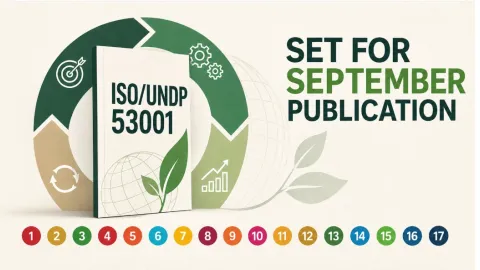
Upcoming ISO/UNDP 53001 Sets First Management System Requirements for the SDGs
ISO/UNDP 53001, set for publication in September 2026, will provide the first management system requirements specifically for organizations seeking to manage and improve their contribution to the Sustainable Development Goals (SDGs).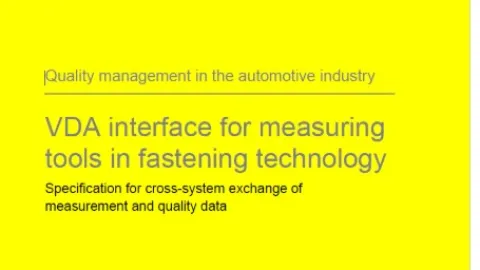
VDA Releases VDA 5.4 Draft for Fastening Measurement Tools
The Quality Management Center of the German Association of the Automotive Industry (VDA QMC) has released VDA 5.4, Interface for measuring tools in fastening technology, as a Yellow Volume for industry feedback.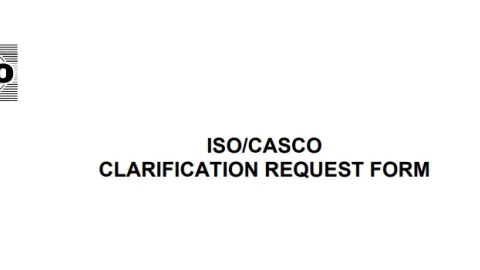
ISO/CASCO Clarifies: ISO/IEC 17025 Does Not Require Labs to Treat Accreditation Bodies as Suppliers
The maintenance group of the International Organization for Standardization’s Committee on Conformity Assessment (ISO/CASCO) has clarified that ISO/IEC 17025:2017 does not require laboratories to treat their accreditation bodies as external service providers subject to the standard’s supplier controls.
JFS-C Standard Version 3.2 Gains GFSI Recognition Under 2024 Benchmarking Requirements
The Global Food Safety Initiative (GFSI) has recognized JFS-C Standard Version 3.2 from the Japan Food Safety Management Association (JFSM) against its 2024 Benchmarking Requirements.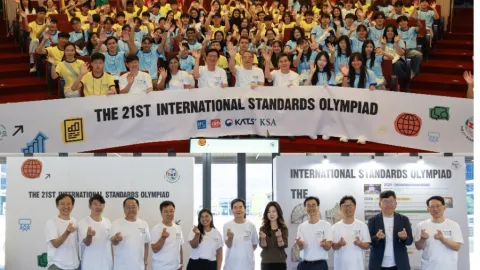
21st International Standards Olympiad Held in Korea
The 21st International Standards Olympiad brought together 105 middle-and high-school students from 11 countries in the Republic of Korea for a three-day competition and hands-on experience with international standardization.
ISO Environmental Management Committee Seeks Global Input for 2027-30 Plan
The International Organization for Standardization (ISO) Technical Committee 207 (ISO/TC 207), Environmental management, has launched a global consultation to help set its priorities for 2027-30.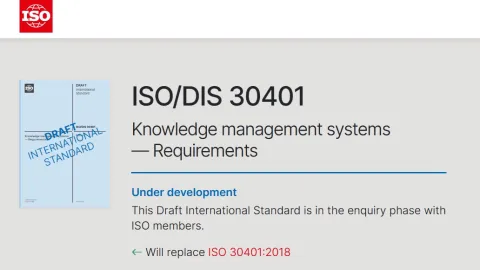
DIS Ballot for ISO 30401 Knowledge Management Revision Closes September 17
ISO 30401, the international standard for knowledge management systems, is currently at the Draft International Standard (DIS) stage, with voting on the proposed second edition due to close September 17, 2026.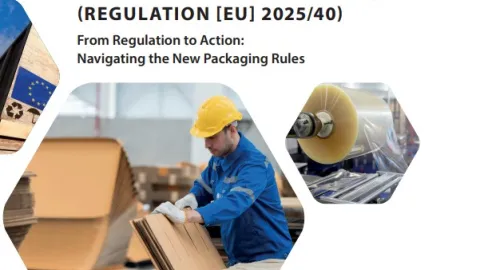
IFS Publishes PPWR White Paper and Launches Self-Assessment as EU Rules Take Effect
International Featured Standards (IFS) has published a new PPWR white paper and launched a self-assessment tool as the first requirements of the European Union’s Packaging and Packaging Waste Regulation (PPWR) took effect on August 12, 2026.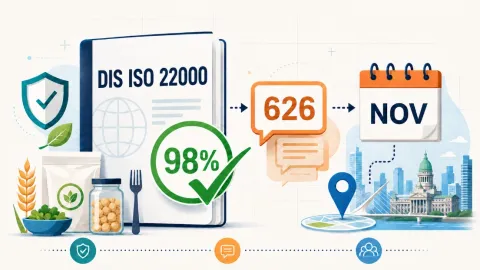
ISO 22000 Draft Approved With 98% Support, Comments Review Set for November
The revision of ISO 22000, the international standard for food safety management systems, has cleared its Draft International Standard (DIS) ballot with 98% positive votes.