Management Systems World
All on Quality and other Standards in one place since 2010. Now Worldwide.
News Food / Agriculture
Please note that you have to be a registered member with paid membership in order to see full articles.
RegisterSelected News
Ireland Considers Food Safety Labels for Restaurants and Shops
The Food Safety Authority of Ireland (FSAI) has launched a public consultation on creating a national food hygiene rating scheme that would require businesses to display their inspection results using numbers, letters, or symbols.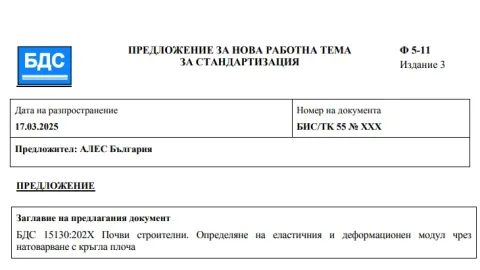
Call for Feedback on Changes to Bulgarian Yogurt Standard
The Bulgarian Ministry of Agriculture and Food (MAF) has proposed changes to BDS 12:2024, the national standard for Bulgarian yogurt.
Pakistan’s Health Crisis Spurs Push for Front-of-Pack Food Warnings
Experts are calling on the Pakistani government to urgently adopt Front-of-Pack Warning Labels (FOPWLs) to address the country’s rising health crisis caused by non-communicable diseases (NCDs).
Third European Halal Congress in Sarajevo to Promote Global Exchange of Knowledge
The third edition of the European Halal Congress will be held on June 16–17, 2025, at Hotel Hills in Sarajevo.
Alshaya Food Successfully Transitions to FSSC 22000 Certification
Alshaya Food, based in Saudi Arabia, has officially transitioned from HACCP to FSSC 22000 certification as of May 2025.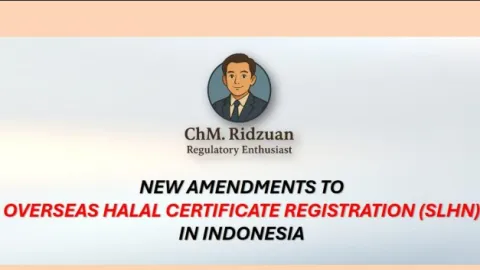
Indonesia Eases Rules for Registering Foreign Halal Certificates
Indonesia’s Halal Product Assurance Organizing Agency (BPJPH) has introduced new rules to simplify the registration process for foreign halal certificates.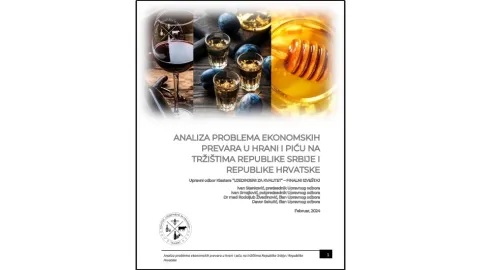
Study Reveals Motives Behind Serbian Honey Testing Lab Destruction
A comprehensive study on food fraud in Serbia and Croatia reveals insights into the recent destruction of Europe's only EIM-IRMS system accredited lab for honey testing.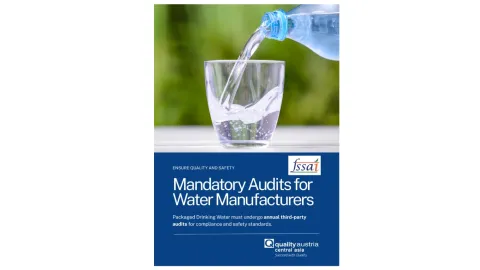
Packaged Water Reclassified as High-Risk Under New Rules in India With Mandatory Audits
Packaged drinking water and mineral water have been reclassified as high-risk food categories by the Food Safety and Standards Authority of India (FSSAI), triggering mandatory annual third-party audits.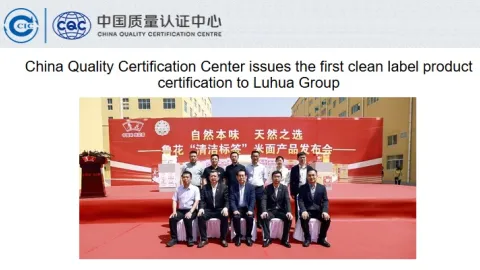
Luhua Group Receives First Clean Label Product Certification in China
Luhua Group has become the first company in China to earn Clean Label product certification from the China Quality Certification Centre (CQC).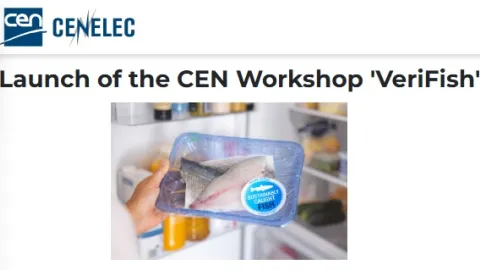
CEN Launches VeriFish Workshop to Improve Communication on Seafood Sustainability
CEN has launched a new Workshop called VeriFish to help organizations communicate more clearly about how seafood is produced and why it is sustainable.
Mexico Postpones Final Labeling Phase for Prepackaged Food and Drink Products
Mexico has extended the second phase of its food labeling standard for prepackaged foods and non-alcoholic beverages until December 31, 2025.
FDA Extends Deadline for Front-of-Package Nutrition Label Proposal
The U.S. Food and Drug Administration (FDA) has extended the comment period for its proposed front-of-package (FOP) nutrition labeling rule until July 15.Global News
Development Begins on ISO 59001 Circular Economy Management Standard
The International Organization for Standardization (ISO) has begun development of ISO 59001, a future certifiable management system standard for the circular economy.
ISO 32212 Introduces Net Zero Transition Planning Framework for Finance
The International Organization for Standardization (ISO) has published ISO 32212:2026,
ISO 45010 Workplace Menstruation and Menopause Guidance Advances to Final Approval Stage
The International Organization for Standardization (ISO) has advanced ISO 45010, which provides guidance on menstruation and menopause in the workplace, has advanced to the Final Draft International Standard - FDIS stage.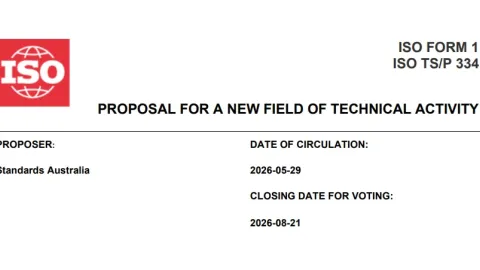
ISO Considers New Committee for Tunnel Design
A proposal to create a dedicated ISO technical committee for tunnel design is under consideration.
FSC Invites Feedback on Four Active Consultations
The Forest Stewardship Council (FSC) is inviting feedback on four active consultations.
CQI Launches Knowledge Hub for Quality Professionals
The Chartered Quality Institute (CQI) has launched a new Knowledge Hub that brings together quality information, learning resources and industry insights in one place.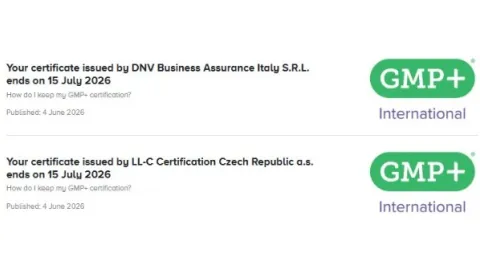
July 15 Deadline Nears for GMP+ Certificates Issued by DNV Italy and LL-C
GMP+ International has warned companies GMP+ Feed certificates issued by DNV Business Assurance Italy S.R.L. or LL-C Certification Czech Republic a.s. that
ISO 9000 and ISO 19011 Revised: New Guidance for Quality and Auditing
Two cornerstone standards for quality management and auditing have been revised, with the International Organization for Standardization (ISO) publishing new editions of ISO 9000 and ISO 19011.
ISO 9002 Revision Reaches Public Comment Stage
The International Organization for Standardization (ISO) has advanced the revision of ISO 9002 to the Draft International Standard (DIS) stage, opening the project for wider review and feedback.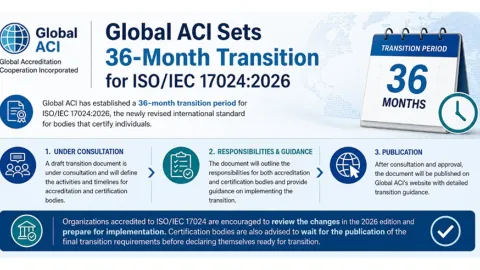
Global ACI Sets 36-Month Transition for ISO/IEC 17024:2026
The Global Accreditation Cooperation Incorporated (Global ACI) has established a 36-month transition period for ISO/IEC 17024:2026, the newly revised international standard for bodies that certify individuals.
PAS 96:2026 Updates Food Defence Guidance for Emerging Threats
The British Standards Institution (BSI) has published PAS 96:2026, a fully revised edition of its food defence guide.