Management Systems World
All on Quality and other Standards in one place since 2010. Now Worldwide.
News
Please note that you have to be a registered member with paid membership in order to see full articles.
RegisterSelected News

Montenegro Accreditation Body Completes EA MLA Follow-Up Evaluation
The Accreditation Body of Montenegro (ATCG) underwent a follow-up evaluation in March 2026 as part of the European co-operation for Accreditation (EA) Multilateral Agreement (MLA) process.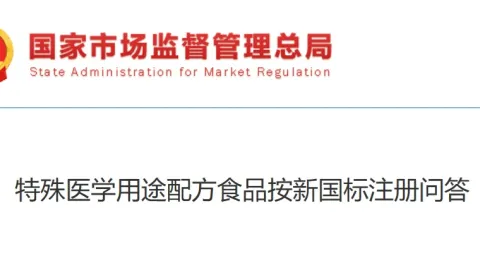
China Clarifies Registration Rules for Special Medical Foods Under New Standards
The State Administration for Market Regulation (SAMR) has issued a Q&A to explain how foods for special medical purposes (FSMP) should be registered under China’s updated national standards, helping companies understand how to apply the new rules in practice.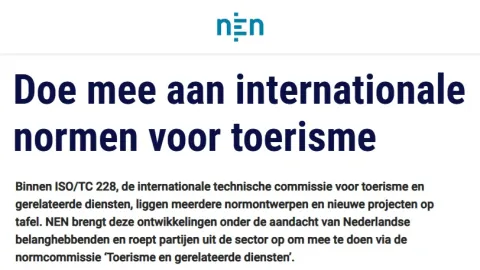
Netherlands Calls for Stakeholders to Join ISO Tourism Standards Committee
The Netherlands Standardization Institute (NEN) is calling on national stakeholders to take part in international tourism standardization through ISO/TC 228,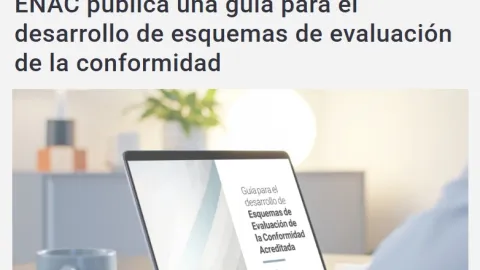
ENAC Releases Practical Guide To Help Build Credible Conformity Assessment Schemes
The Spanish National Accreditation Body (ENAC) has published a new guide to help organizations design conformity assessment schemes that can be used by accredited bodies, aiming to improve trust, consistency, and market acceptance.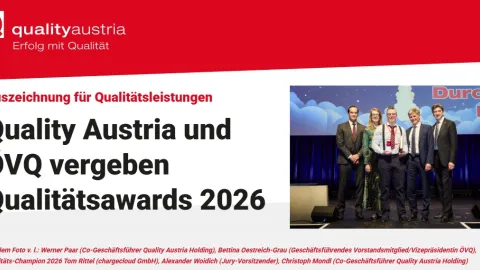
Quality Austria And ÖVQ Present 2026 Quality Awards Winners At Salzburg Forum
The Quality Austria Holding and the Austrian Association for Quality (ÖVQ) have announced the winners of the 2026 Quality Awards during the 31st qualityaustria Forum in Salzburg,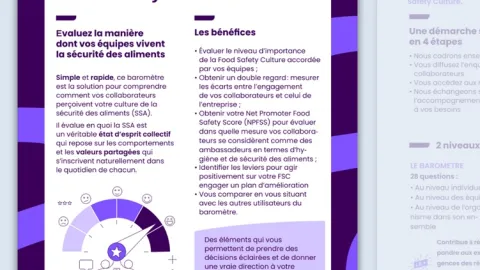
AFNOR Group Introduces Food Safety Culture Barometer For Food Chain
The AFNOR Group has introduced a dedicated barometer to help organizations in the food chain assess how their teams perceive food safety.
New Guide Shows How To Apply UNI 11961 For Model 231 Integration
The Italian National Unification Body (UNI) has released a practical guide to help organizations apply UNI 11961:2024 and integrate compliance management systems with Model 231 frameworks designed to prevent corporate liability under Legislative Decree 231/2001.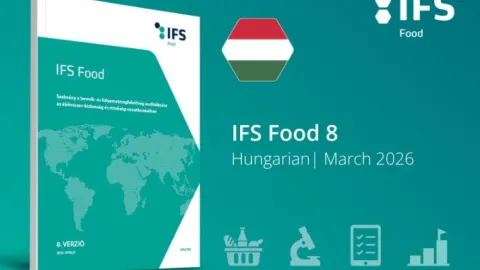
IFS Food Version 8 Now Available In Hungarian
The International Featured Standards (IFS) has released a Hungarian translation of its IFS Food version 8 standard, expanding access for food producers in Hungary.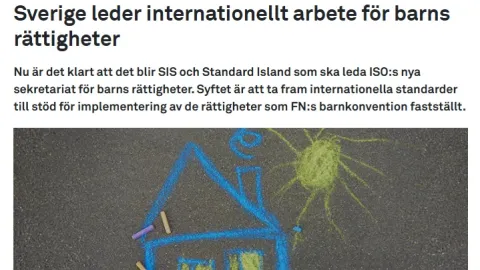
Sweden And Iceland Take Leadership Roles In New ISO Children’s Rights Committee
The Swedish Institute for Standards (SIS) and the Icelandic Standards (IST) will lead the new ISO technical committee ISO/TC 356, which will develop international standards to support the implementation of children’s rights.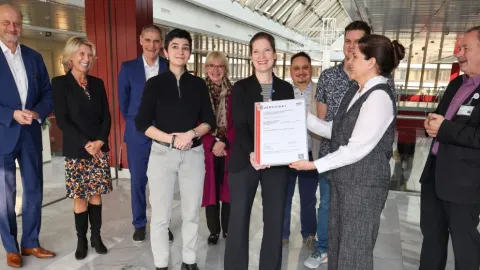
AKH Wien Becomes First Hospital In Austria Certified For Diversity Management
The Vienna General Hospital (AKH Wien) has become the first hospital in Austria to receive certification for its diversity management system,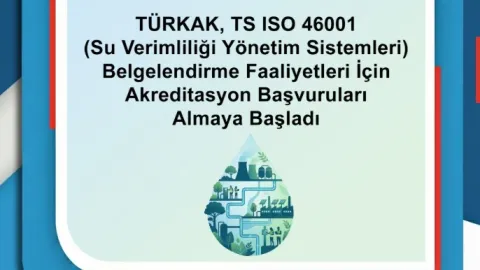
TURKAK Opens Accreditation For ISO 46001 Water Efficiency Certification Activities
The Turkish Accreditation Agency (TURKAK) has begun accepting accreditation applications for certification bodies under TS ISO 46001, a standard focused on water efficiency management systems.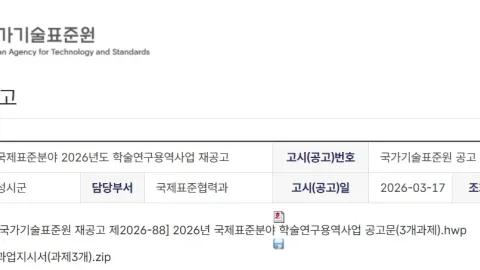
South Korea Opens Call For International Standards Research Projects In 2026
The Korean Agency for Technology and Standards (KATS) has opened a call for 2026 research projects focused on international standardization, inviting institutions and experts to submit proposals by March 30.Global News
How to Verify Certificates to Avoid Fake Ones
Swedac has outlined steps to verify certificates, focusing on two main types: certificates issued by notified bodies and certificates issued by accredited certification bodies.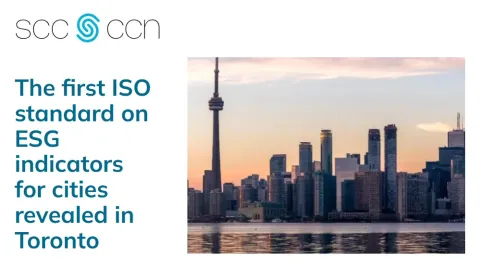
First International Standard on ESG Indicators for Cities Revealed in Toronto
The first international standard on ESG indicators for cities, ISO 37125, was unveiled at Toronto City Hall on November 1, 2024.
DeepEyeVision First to Be Validated by BSI's New AI Testing Service
DeepEyeVision, Inc., a medtech startup, has become the first company globally to receive validation under BSI’s AI Algorithm Auditing & Dataset Testing (AA&DT) service.
Key Biocompatibility Medical Device Standard ISO 10993-1 Moves to Final Draft Stage
The revision of ISO 10993-1 has progressed after the October 2024 meeting of ISO TC 194/WG1, and the updated standard is expected to be published mid-2025.
SGS Introduces All-in-One ESG Services Under "Impact Now" Initiative
SGS has introduced Impact Now, a new portfolio offering a single source for comprehensive Environmental, Social, and Governance (ESG) services.
INKplant, Kurt Zatloukal, and Maria Hartmann Claim 2024 CEN and CENELEC Standards+Innovation Awards
The winners of the 6th Standards+Innovation Awards were announced on December 10, 2024, during the European Commission’s flagship event, Driving EU Prosperity, held in Brussels, Belgium.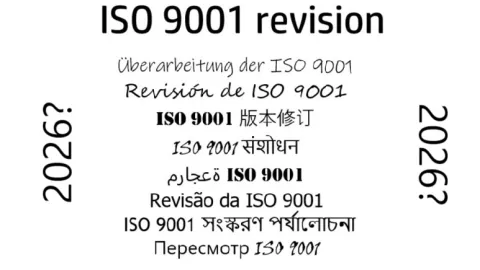
ISO 9001 Revision Faces Continued Challenges with Second Draft
The second Committee Draft (CD2) of the ISO 9001 standard, set for release in 2026, has been issued internally to participants in the revision process.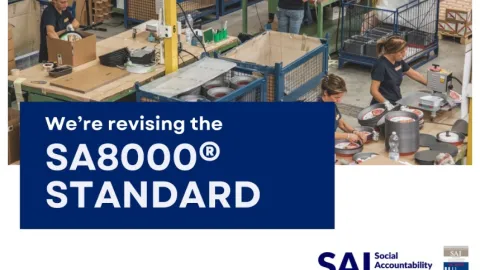
SA8000 Revision: Draft Reveals New Structure, Broader Scope, and Outcome-Based Focus
The draft of the new version of the SA8000 Standard - a globally recognized framework for managing social responsibility in the workplace - is released by Social Accountability International (SAI).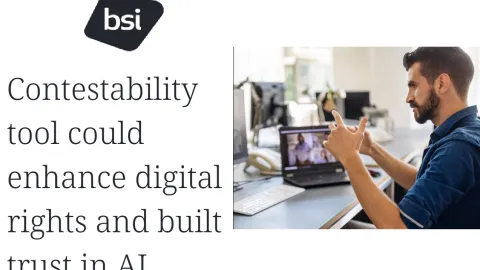
BSI Paper Proposes Contestability Tool to Enhance Digital Rights in AI
A recent paper from British Standards Institution (BSI) outlines how a standardized contestability tool could enhance digital rights and build trust in AI systems.
Global Food Safety Initiative Publishes Response to Stakeholder Consultation
The Global Food Safety Initiative (GFSI) has published its response to feedback on the proposed GFSI Benchmarking Requirements Version 2024 (BMRs v2024).
SGS Leads the Way with Accreditation to FSC EUDR Regulatory Module
SGS is among the first certification bodies accredited to the new Forest Stewardship Council (FSC) EU Deforestation Regulation (EUDR) Regulatory Module (FSC-STD-01-004).