Management Systems World
All on Quality and other Standards in one place since 2010. Now Worldwide.
News Ecology / Energy / Chemistry
Please note that you have to be a registered member with paid membership in order to see full articles.
RegisterSelected News
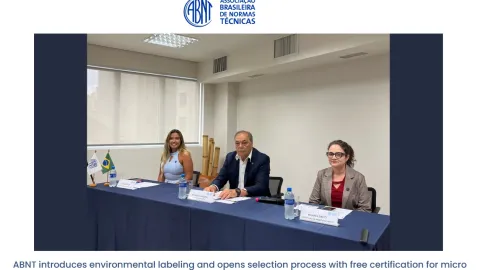
ABNT Launches Environmental Labeling Initiative and Opens Free Certification for Small Businesses
The Brazilian Association of Technical Standards, ABNT, has presented a new environmental labeling initiative and opened a selection process offering free certification for micro and small enterprises (MSEs).
NS 9410 Aquaculture Environmental Monitoring Standard Set for Revision
Norway is preparing to revise NS 9410, its national standard for monitoring seabed impacts from marine aquaculture, and is inviting experts to take part in the work.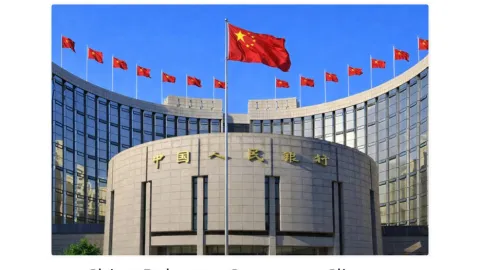
China Unveils Climate Disclosure Framework for Companies
China has introduced a new national framework to guide how companies disclose climate-related information, marking a clear step toward broader and eventually mandatory climate reporting.
Made Green in Italy Opens New Application Window in January 2026
Italy has opened a new application window for the Made Green in Italy scheme, allowing companies to apply for support for product environmental footprint projects from January 12 to January 26, 2026.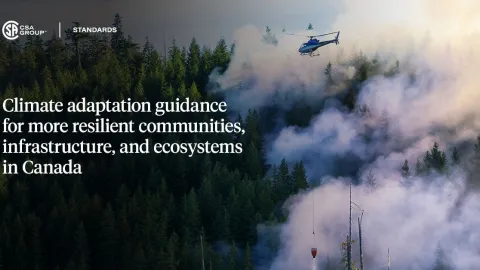
Canada Sets CSA Z14090 Climate Adaptation Standard Based On ISO 14090
Canada has a new standard, CSA Z14090:25, designed to help organizations address climate change risks.
Circular Economy Roadmap: Peru Mexico and Colombia Join Forces on Packaging Plastics and Tourism Standards
Peru, Mexico, and Colombia are jointly developing a standardization roadmap to support the circular economy in the packaging, plastics, and tourism sectors.
European Climate Adaptation Standards Advance Under CEN and CENELEC
CEN and CENELEC are progressing European standardization work on climate adaptation,
How European Standardization Prepares For EU Circular Economy Act
European standardization bodies CEN and CENELEC are structuring how circular economy principles will be translated into practical rules, as the EU moves toward the adoption of the Circular Economy Act.
ABNT Completes Development of Sustainability Standard for Products and Services
The Brazilian Association of Technical Standards (ABNT) has completed the development of ABNT NBR 20250,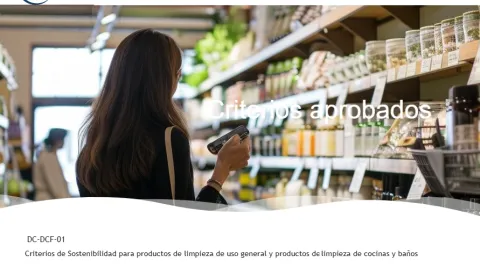
Environmental Alliance of the Americas Approves Eco-Label Criteria for Cleaning and Paper Products
The Environmental Alliance of the Americas (Alianza Ambiental de América) has approved two sets of regional sustainability criteria under a shared eco-labeling program covering Latin America and the Caribbean.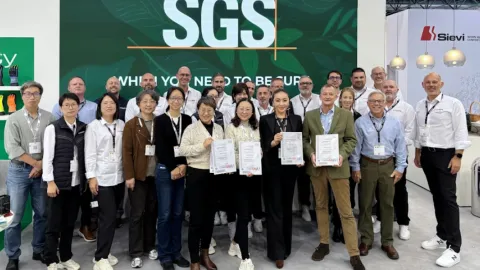
Qiangsheng New Materials Completes GHG And Product Carbon Footprint Verification
Nantong Qiangsheng New Materials Technology Co., Ltd. has received verification statements for its greenhouse gas emissions and product carbon footprints,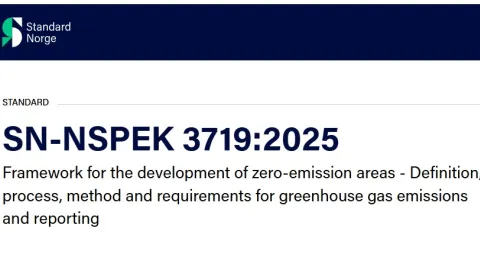
Framework for Zero-Emission Areas Launched in Norway
A new Norwegian specification, SN-NSPEK 3719, is now available and sets out a clear framework for how zero-emission areas can be planned, calculated, and documented.Global News
IAQG Centralizes Aerospace Auditor Authentication
The International Aerospace Quality Group (IAQG) has centralized the authentication of aerospace quality management system auditors, replacing the previous network of independent Auditor Authentication Bodies (AABs).
FSC Revised Trademark Standard Takes Effect
The Forest Stewardship Council (FSC) has launched a new online training course to support implementation of its revised trademark standard, FSC-STD-50-001 V3-0, which takes effect on July 1, 2026.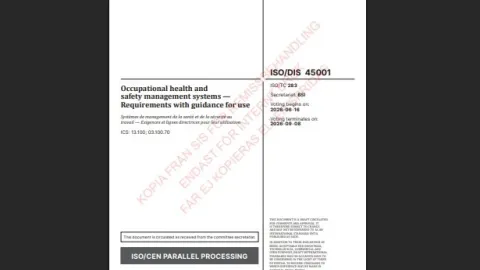
SIS Offers Free Access to ISO 45001 Draft
The Swedish Institute for Standards (SIS) has made the proposed second edition of ISO 45001 - draft available for free download and public review,
ISO/DIS 9002 Ballot Opens for Comment
The International Organization for Standardization (ISO) has released ISO/DIS 9002 for ballot, opening the international comment period on the revision of the guidance standard for applying ISO 9001.
Public Consultation Opens on ISO 14060, First International Standard for Net Zero Alignment
ISO 14060, the first international standard for net zero alignment, has entered public consultation.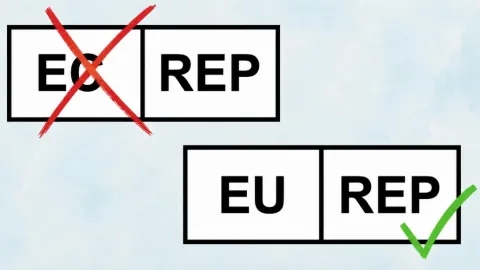
EU Approves EN ISO 15223-1 for Medical Device and IVD Labeling
The European Commission (EC) has approved EN ISO 15223-1, the standard used for symbols on medical device and in vitro diagnostic (IVD) labeling, for use in demonstrating compliance with EU requirements for these products.
GFSI Seeks Feedback on JFSM Recognition Under Benchmarking Requirements v2024
The Global Food Safety Initiative (GFSI) has opened a public stakeholder consultation on the Japan Food Safety Management Association (JFSM) application for recognition under GFSI Benchmarking Requirements Version 2024.
Chery Added as IATF's Third Asian Automotive Group Member
The International Automotive Task Force (IATF) has approved the addition of Chery Automobile, as a new member of IATF AISBL, making it the third Asian automotive group represented in the organization.
IFS Announces June Release of Progress Logistics Version 2
IFS will publish IFS Progress Logistics version 2 at the end of June, updating the program that helps companies prepare for IFS Logistics certification.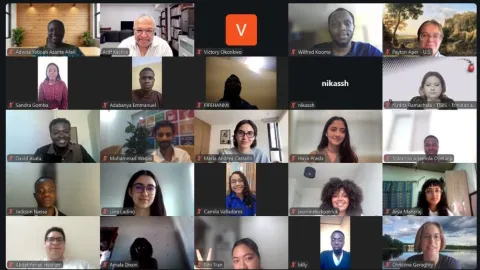
Third Cohort of Environmental Management Youth Leadership Group Kicks Off
The third cohort of the ISO Environmental Management (ISO/TC 207) Youth Leadership Group (YLG 3.0) has held its kick-off meeting, bringing together more than 45 participants from around 30 countries.
ISO 9606 Requirements for Welder Qualification Under Revision
The International Organization for Standardization (ISO) is revising ISO 9606, the international standard for qualification testing of welders performing fusion welding.