Management Systems World
All on Quality and other Standards in one place since 2010. Now Worldwide.
News
Please note that you have to be a registered member with paid membership in order to see full articles.
RegisterSelected News
China Releases Standard for Zero Carbon Restaurant Construction and Operation
A new voluntary group standard for zero carbon restaurants has been officially released in China, providing technical requirements for their construction and operation.
ENAC Grants First Accreditations for EU ETS 2 Emissions Trading Regime
The Spanish National Accreditation Entity (ENAC) has granted the first accreditations for verifiers under the upcoming EU ETS 2 emissions trading regime, which will apply to buildings, road transport, and other sectors.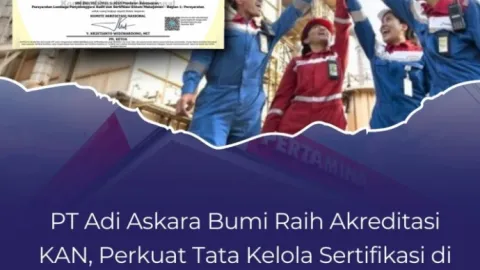
PT Adi Askara Bumi Earns Management System Certification Body Accreditation
PT Adi Askara Bumi, the internal certification body of the Pertamina Group, Indonesia’s state-owned energy company, has been accredited as a Man. Sys. Certification Body by the National Accreditation Committee (KAN).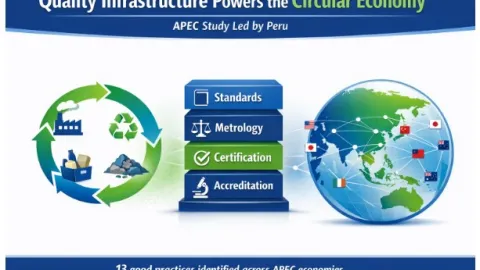
Peru Leads APEC Study on 13 Good Practices in Circular Economy Policies
A study led by Peru under the Asia-Pacific Economic Cooperation (APEC) framework has assessed 13 good practices related to circular economy policies and their use of quality infrastructure services.
BIS Invites Indian Experts to Shape ISO Environmental Standards Review
The International Organization for Standardization (ISO) has launched the systematic review of 12 environmental standards, and the Bureau of Indian Standards (BIS) is inviting Indian experts to help shape the country’s position in this international process.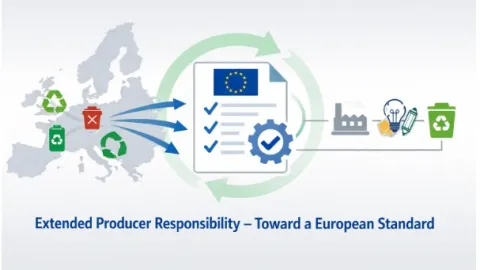
Europe Develops Standard on Extended Producer Responsibility (EPR)
The European Committee for Standardization (CEN) is developing a new standard on Extended Producer Responsibility (EPR) to align how producer responsibility systems are applied across EU countries and reduce barriers for companies operating in multiple markets.
SIST Invites Entrepreneurs to Free Seminar on Using Standards for Market Entry
The Slovenian Institute for Standardization (SIST) is hosting a free seminar to help entrepreneurs place products on the market with fewer risks and fewer barriers.
Pivovarna Laško Union Wins Two Sustainability Recognitions
Pivovarna Laško Union has been named ESG Champion of Slovenia 2025 and has also received a five star Green Star certificate, two national recognitions linked to its sustainability performance.
HZN First 2026 Newsletter Highlights Appointment of New Director
The Croatian Standards Institute (HZN) has released the first 2026 issue of issue of HZN e-glasilo, its official e-newsletter,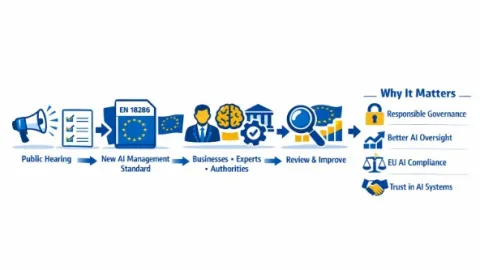
High Interest Across Europe As EN 18286 AI Management Standard Draws Over 1,000 Comments
A forthcoming European management system standard for artificial intelligence, EN 18286, aimed at quality management systems for high-risk AI systems, has attracted more than 1,000 comments during its public consultation.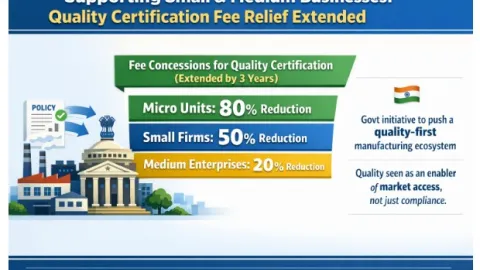
Indian Government Extends Quality Certification Fee Concessions For Small Firms By Three Years
India’s government will extend fee concessions for quality certification by three years to support small and medium enterprises and strengthen its manufacturing base.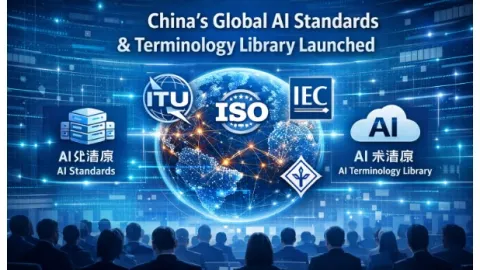
China Launches Global AI Standards Library And Terminology Database
China has officially introduced a global artificial intelligence standards library and a global AI terminology database, consolidating key standards and definitions to support the development and coordination of AI standardization work.Global News
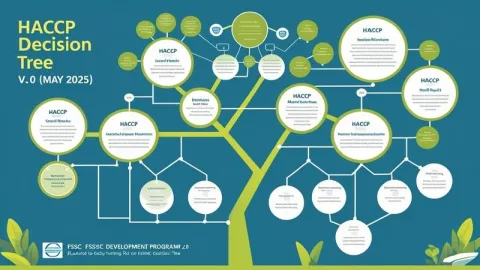
New Decision Tree Explains Food Safety Risk Levels in FSSC Version 2.0
Foundation FSSC has published a new decision tree to help food businesses determine whether a control measure should be classified as a Critical Control Point (CCP) or an Operational Prerequisite Program (oPRP).
IAFP Honors Sobeys With 2025 Black Pearl Award for Food Safety Excellence
Sobeys Inc. has been named the 2025 recipient of the Black Pearl Award by the International Association for Food Protection (IAFP),
IAF Outlook May 2025 Spotlights UNIDO Partnership and Regional Developments in Africa
The International Accreditation Forum (IAF) has published the May 2025 edition of its newsletter IAF Outlook, spotlighting major partnerships, technological advances, and accreditation efforts across regions.
Tech Giants Back New Standard to Clarify End-of-Life Security Timelines
A group of leading tech firms has proposed a new standard, called OpenEoX, to streamline how companies disclose product end-of-life and end-of-support dates.
ISO Launches Pilot Licensing Model With New Duties for Certification Bodies
The International Organization for Standardization (ISO) has launched a pilot of its Differentiated Licensing Model (DML), introducing major changes to how standards are accessed, priced, and controlled.
Sixteenth Meeting of WG 29 Advances ISO 9001 Revision
ISO/TC 176/SC 2/WG 29, the working group responsible for revising ISO 9001, met online for its sixteenth session on May 14, 2025.
IATF Celebrates 100,000 Certified Sites as Global Automotive Sector Raises the Bar
The International Automotive Task Force (IATF) has surpassed 100,000 certified sites worldwide under the IATF 16949 standard, marking a significant milestone in automotive quality management.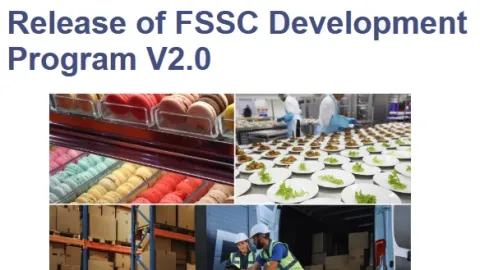
FSSC Expands Development Program to Include Packaging and Strengthen Food Safety Support for SMEs
Foundation FSSC has released Version 2.0 of the FSSC Development Program, expanding its support for small and medium-sized enterprises (SMEs) in the food sector.
ISO Proposes New Standard for Describing and Sharing Carbon Credit Data
A new proposal for the ISO/TS 32214 standard has been submitted to the ISO Technical Committee on Sustainable Finance (ISO/TC 322), aiming to create a common reference data model for describing and identifying carbon credit projects and units.
ISO Health Informatics Committee Launches Official LinkedIn Channel
The ISO Technical Committee on Health Informatics, ISO/TC 215, has launched its official LinkedIn page to connect professionals in digital health, standards, and data sharing.
Seven Pillars for Event Standards: New ISO Committee Proposed
A new ISO Technical Committee has been proposed for the international events industry.