Management Systems World
All on Quality and other Standards in one place since 2010. Now Worldwide.
News (Quality) Management
Please note that you have to be a registered member with paid membership in order to see full articles.
RegisterSelected News
Peru Adopts ISO 9000:2026 as National Standard
The National Institute of Quality (Inacal) has adopted ISO 9000:2026 as the Peruvian standard NTP-ISO 9000:2026, aligning the country with the latest international update in quality management and supporting organizations as they prepare for ISO 9001:2026.
Quality Management Event Series Explores Ethics and Culture Ahead of ISO 9001:2026
A Germany-wide event series on ethics, culture and leadership in quality management is taking place ahead of the publication of ISO 9001:2026.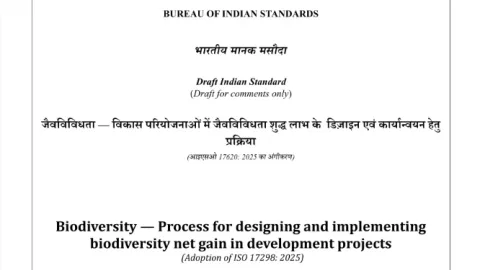
BIS Opens Consultation on Adoption of ISO 17298 and ISO 17620 Biodiversity Standards
The Bureau of Indian Standards (BIS) has opened a public consultation on the adoption of two International Organization for Standardization (ISO) biodiversity standards as Indian Standards: ISO 17298:2025 and ISO 17620:2025.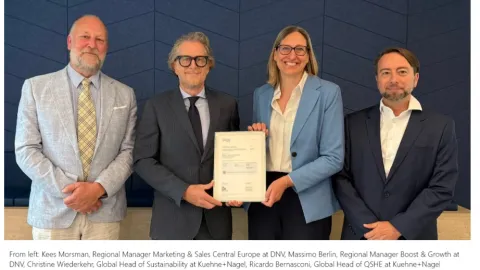
Kuehne+Nagel Earns ESG Recognition Backed by Four Certifications
Global logistics and supply chain company Kuehne+Nagel has received Environmental, Social and Governance (ESG) Recognition from DNV,
DGQ Releases AI Prompt Library for Quality Managers
The German Society for Quality (DGQ) has released an AI prompt library designed to help quality professionals use artificial intelligence in their daily work.
Draft Proposal on Manufacturing Quality Misconduct Opens for Comment in Japan
The Quality Misconduct Study Group has published draft recommendations on manufacturing quality misconduct and opened a public consultation until July 13, 2026,
PodInmetro Episode 7 Explores How Metrology Supports Healthcare, Trade and Public Policy
The National Institute of Metrology, Quality and Technology (Inmetro) released the seventh episode of its PodInmetro podcast on May 20,
Lamborghini Recognized for Environmental, Social and Governance Practices
Automobili Lamborghini has received ESG Recognition from DNV, for using certified management systems to support its environmental, social, and governance commitments.
TÜRKAK Joins International AIQI Consortium
The Turkish Accreditation Agency (TÜRKAK) has joined the AIQI Consortium, an international initiative focused on strengthening quality infrastructure and governance for artificial intelligence (AI).
German Translation of ISO 9001 Climate Audit Guidance Published
The ISO 9001 Auditing Practices Group (APG) has published a German translation of its “Auditing Climate Change Issues” paper,
DGQ Survey Examines Career Development in Quality Management
The German Society for Quality (DGQ) has opened a short survey examining how professionals enter and develop careers in quality management and quality assurance, as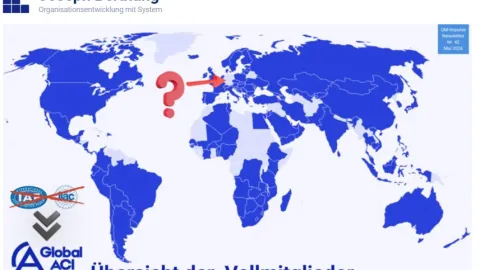
DAkkS Remains In International Accreditation System Even Without Direct Global ACI Membership
The German Accreditation Body (DAkkS) remains effectively part of the global accreditation system through the European co-operation for Accreditation (EA),Global News

ISO Begins Developing IWA 52 to Harmonize Transport GHG Emission Factors
The International Organization for Standardization (ISO) is developing IWA 52 to harmonize how greenhouse gas (GHG) emission factors are calculated for transport.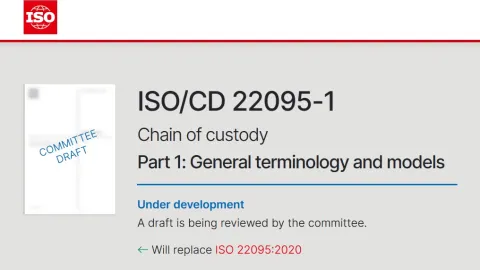
ISO 22095-1 Chain of Custody Revision Reaches Committee Draft Stage
ISO 22095-1 has reached the Committee Draft stage, moving the revision of the general chain of custody framework into formal consultation.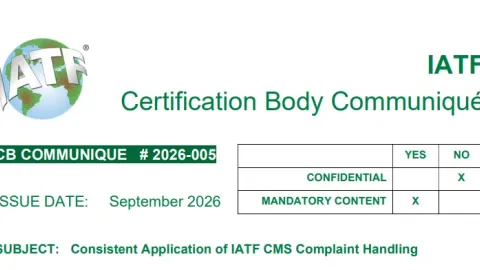
IATF Clarifies Complaint Handling for Certification Bodies
The International Automotive Task Force (IATF) has issued new guidance for certification bodies on handling vehicle manufacturer performance complaints through the IATF Complaint Management System (IATF CMS).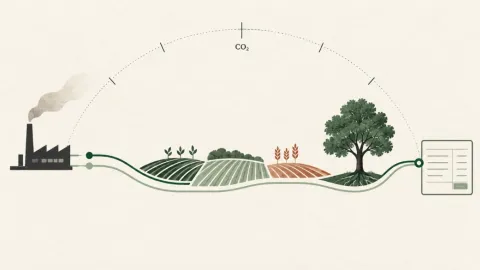
How SBTi and GHG Protocol Updates Expand Options for Corporate Emissions Accounting
Changes from the Science Based Targets initiative (SBTi) and Greenhouse Gas Protocol, two major frameworks for corporate climate targets and greenhouse-gas accounting, are expanding the options companies have for addressing and accounting for value-chain emissions.
ISO 9001:2026 Officially Launched
The sixth edition of ISO 9001, the world’s most widely used quality management system standard, has been officially launched by ISO during a virtual press conference.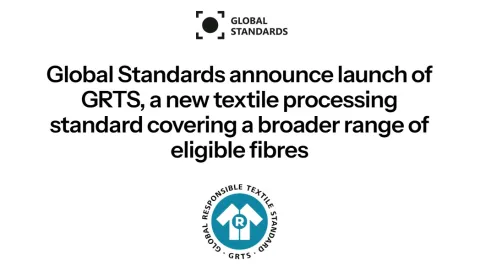
Global Responsible Textile Standard (GRTS) Launches for Certification of Wider Range of Fibers
Global Standards has launched the Global Responsible Textile Standard (GRTS), a new certification standard for textiles made from a wider range of plant, animal, synthetic, man-made cellulosic and recycled fibers.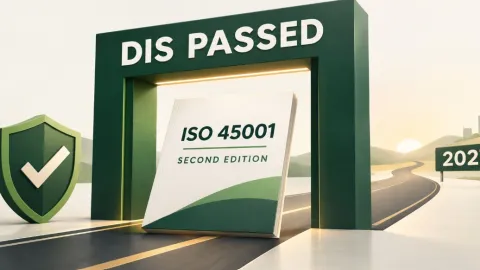
ISO 45001 Second Edition Clears DIS Ballot With Overwhelming Support
The draft second edition of ISO 45001 has passed its Draft International Standard (DIS) vote with only one vote against, moving the revision closer to its planned publication in the first half of 2027.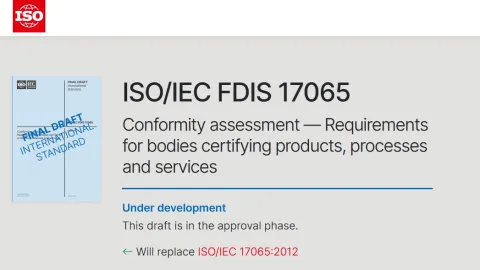
Second Edition of ISO/IEC 17065 Reaches Final Approval Phase
The second edition of ISO/IEC 17065, which sets requirements for bodies that certify products, processes and services, has moved further into the final approval process and is now at stage 50.20 of the Final Draft International Standard (FDIS) phase.
SMART Initiative Enters Pilot Phase in October, Testing Nine Standards
A pilot of the ISO and IEC SMART standards initiative will begin in October, testing nine selected international standards.
New Net Zero Carbon Cities Standard Project Approved as ISO 37115-2
The International Organization for Standardization (ISO) has approved a proposal for ISO 37115-2, a new standard that will set out principles and fundamentals for net zero carbon cities.
First Edition of ISO 41002 Guides Development of Facility Management Organizations
The first edition of ISO 41002 gives organizations guidance on how to develop and structure their facility management function across strategic, tactical and operational levels.