Management Systems World
All on Quality and other Standards in one place since 2010. Now Worldwide.
News Germany
Please note that you have to be a registered member with paid membership in order to see full articles.
RegisterSelected News
DAkkS Extends Flexible Accreditation Scopes Across All Activities
The German Accreditation Body (DAkkS) has expanded its flexible scopes system to all accreditation activities, allowing qualified conformity assessment bodies (CABs) to update their approved technical scope without prior approval for every individual change.
German Cybersecurity Agency Favors ISO 27001 for Cyber Resilience Act Compliance
Germany's Federal Office for Information Security (BSI) has published TR-03183-H, a guideline that promotes ISO/IEC 27001 as the main framework for demonstrating compliance with the EU Cyber Resilience Act (CRA).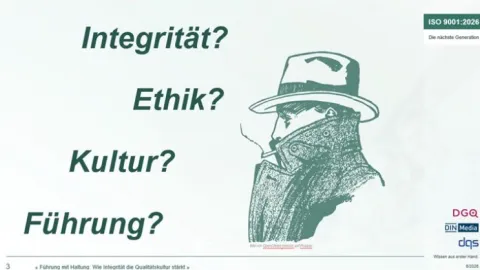
Quality Management Event Series Explores Ethics and Culture Ahead of ISO 9001:2026
A Germany-wide event series on ethics, culture and leadership in quality management is taking place ahead of the publication of ISO 9001:2026.
Latest DINews Edition Focuses on Digital Sovereignty and Product Passports
The German Institute for Standardization (DIN) has released the latest edition of its DINews newsletter, highlighting digital sovereignty and digital product passports as two of the key topics shaping current standardization work.
DGQ Releases AI Prompt Library for Quality Managers
The German Society for Quality (DGQ) has released an AI prompt library designed to help quality professionals use artificial intelligence in their daily work.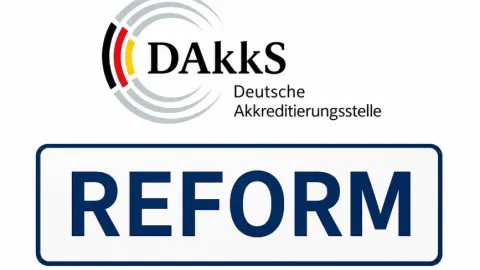
Industry Coalition Calls for Concrete Steps in DAkkS Reform
The German Federal Ministry for Economic Affairs and Energy (BMWE) has outlined a reform agenda for the German Accreditation Body (DAkkS),
DAkkS Membership in Global ACI Hinges on Statute Changes and EA Conditions
The German Accreditation Body (DAkkS) attended the April 2026 mid-term meeting of Global Accreditation Cooperation Incorporated (Global ACI) in Prague as an observer while negotiations continue over a possible future membership in the new international accreditation organization.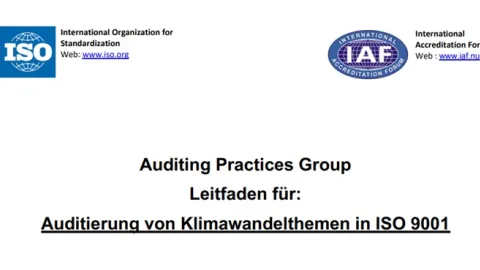
German Translation of ISO 9001 Climate Audit Guidance Published
The ISO 9001 Auditing Practices Group (APG) has published a German translation of its “Auditing Climate Change Issues” paper,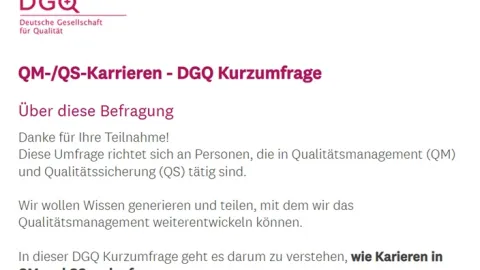
DGQ Survey Examines Career Development in Quality Management
The German Society for Quality (DGQ) has opened a short survey examining how professionals enter and develop careers in quality management and quality assurance, as
‘Faktor Q’ Podcast Launches With Episode on Quality Culture in ISO 9001:2026
The German trade publication QZ has launched its new “Faktor Q” podcast with a first episode arguing that the upcoming ISO 9001:2026 update will make quality culture a more assessable part of quality management and leadership responsibility.
DAkkS Remains In International Accreditation System Even Without Direct Global ACI Membership
The German Accreditation Body (DAkkS) remains effectively part of the global accreditation system through the European co-operation for Accreditation (EA),
AI System Testing Guidance DIN SPEC 92006 Featured In Latest DIN Newsletter
The German Institute for Standardization (DIN) has released a new issue of its DINews newsletter, highlighting DIN SPEC 92006, a specification designed to help organizations test and evaluate artificial intelligence (AI) systems.Global News
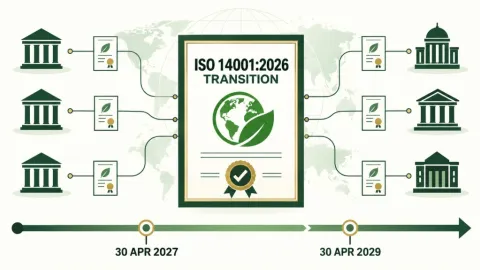
Accreditation Bodies Roll Out ISO 14001 Transition Plans
Accreditation bodies are putting the ISO 14001:2026 transition timetable into practice, with Norwegian Accreditation (NA) among the latest to publish detailed arrangements for certification bodies moving to the revised environmental management systems standard.
ISO Considers Three Tourism Proposals on Restaurant Evaluation, Tourist Guides and AI
Three tourism standardization proposals are now under consideration at the International Organization for Standardization (ISO), covering restaurant evaluation, professional tourist guide services and the use of artificial intelligence with tourism destination data.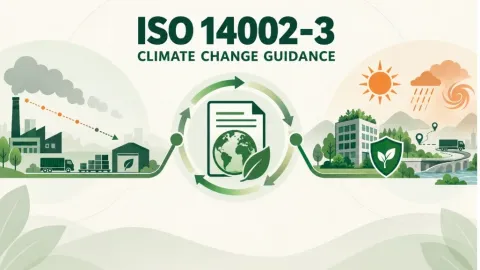
ISO 14002-3 Released as Guidance on Climate Change
The International Organization for Standardization (ISO) has released ISO 14002-3:2026, new guidance to help organizations using ISO 14001 address climate change through their environmental management systems.
AIQI Publishes First AI Use Case for Management System Certification Decisions
The Artificial Intelligence Quality Infrastructure (AIQI) Consortium has published a new use case examining how AI could support management system certification decisions, including the risks, limitations and controls that conformity assessment bodies may need to consider.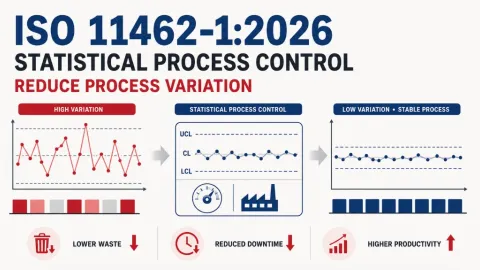
ISO 11462-1:2026 Updates Statistical Process Control to Reduce Process Variation
The International Organization for Standardization (ISO) has published ISO 11462-1:2026, updating guidance on statistical process control (SPC) to help organizations improve the stability and capability of their processes.
Codex Sets New Labelling Rules for Multipacks and Outer Packaging
The Codex Alimentarius Commission (CAC) has adopted new requirements for foods sold in multipacks or grouped together in one outer package, clarifying what information must appear on the packaging consumers see when buying the product.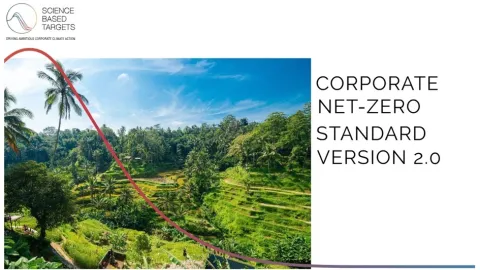
SBTi Net-Zero Standard Version 2.0 Adds New Rules for Corporate Climate Targets, Reporting and Carbon Removals
The Science Based Targets initiative (SBTi) published Version 2.0 of its Corporate Net-Zero Standard on June 11, introducing new requirements for how companies set climate targets, plan their transition to net zero, report progress and deal with emissions that remain.
CSA Group to Sell Testing and Certification Business to Kiwa
Kiwa and CSA Group have agreed on a deal worth around $1.5 billion for Kiwa to acquire CSA Group’s testing, inspection and certification business, significantly expanding the Dutch company’s presence in North America.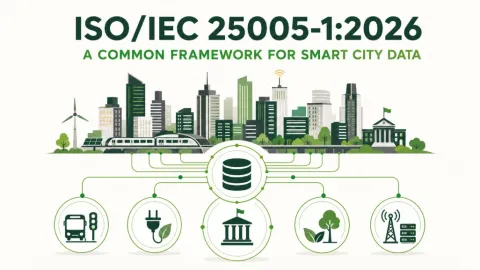
ISO/IEC 25005-1:2026 Creates Common Framework for How Smart Cities Use Data
ISO/IEC 25005-1:2026, published in July, provides a common international framework for how smart cities can make better use of data across urban governance and services.
Global ACI Delays Launch of New MRA Mark Pending Trademark Registration
Global Accreditation Cooperation Incorporated (Global ACI) has paused the launch of its new Multilateral Recognition Arrangement (MRA) Mark while trademark registrations are completed across member economies.
Major Changes Coming to ISO/IEC Standard-Development Rules
ISO and IEC will put a major rewrite of ISO/IEC Directives, Part 1 into effect on October 5, changing the common rules used to develop, maintain and manage international standards and other publications.