Management Systems World
All on Quality and other Standards in one place since 2010. Now Worldwide.
News China
Please note that you have to be a registered member with paid membership in order to see full articles.
RegisterSelected News

GFSI Food Safety Culture Paper Now Available in Three More Languages
The Global Food Safety Initiative (GFSI) has published Chinese, Japanese and Spanish translations of the second edition of its food safety culture position paper, making the updated framework more accessible to businesses and food safety professionals worldwide.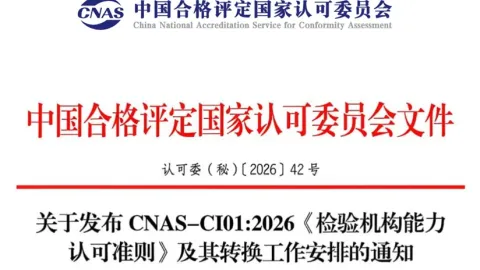
CNAS Sets Transition to ISO/IEC 17020:2026 for Inspection Bodies
The China National Accreditation Service for Conformity Assessment (CNAS) has launched China's transition to ISO/IEC 17020:2026 by publishing updated accreditation criteria for inspection bodies and a timetable for replacing the current requirements.
'Standard China' Social Media Network Goes Live
China's standardization authorities have launched the "Standard China" social media network to strengthen public communication about standardization and support the implementation of the National Standardization Development Outline.
HKAS Sets Transition Plan for ISO/IEC 17020:2026
The Hong Kong Accreditation Service (HKAS) has published its transition schedule for ISO/IEC 17020:2026, giving accredited inspection bodies until March 31, 2029, to comply with the revised international standard for inspection bodies.
China Opens Consultation on New Group Standards Rules
The Standardization Administration of China (SAC) has opened a public consultation on draft national rules for group standards, which are developed by industry associations and other social organizations rather than government agencies.
CNAS Starts Trial Accreditation of Product Carbon Footprint Verifiers
China National Accreditation Service for Conformity Assessment (CNAS) has started trial accreditation of organizations that verify product carbon footprint data under CNAS-SV03:2026, which took effect on June 15, 2026.
National Standards Knowledge Competition Returns for Second Edition
The second National Standards Knowledge Competition is underway in China, with online qualifying rounds running from June 16 to June 30, 2026.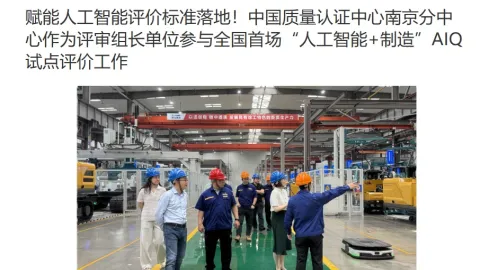
First Pilot Completed Under China's New AI Manufacturing Evaluation Framework
The first pilot evaluation under China's newly implemented Artificial Intelligence + Manufacturing (AIQ) assessment scheme has been completed,
SAC Designates Organizations for ISO and IEC Committee Roles
The National Standardization Administration of China (SAC) has designated four organizations to serve as secretariats for International Organization for Standardization (ISO) committees and subcommittees covering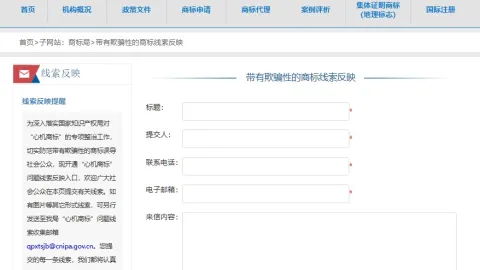
CNIPA Launches Portal to Report Misleading Trademark Practices
The China National Intellectual Property Administration (CNIPA) has launched a new reporting portal to collect information about so-called "manipulative trademarks" as part of a special campaign aimed at preventing deceptive branding practices from misleading the public.
Ten Chinese Accreditation Success Stories Added to INetQI Business Benefits Library
Ten Chinese accreditation success stories have been accepted into the International Network on Quality Infrastructure (INetQI) Business Benefits library,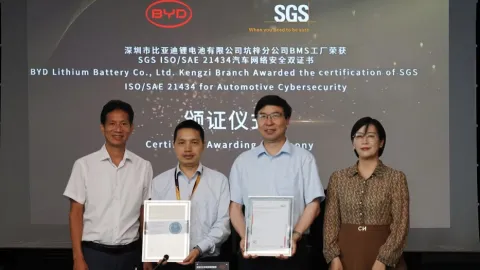
BYD Battery Achieves ISO/SAE 21434 Cybersecurity Certification
BYD Lithium Battery Co. Ltd. has achieved ISO/SAE 21434 certification for automotive cybersecurity engineering.Global News
Global ACI Sets Three-Year Transition Timelines for ISO 14001:2026 and ISO 9001:2026
Global Accreditation Cooperation Incorporated (Global ACI) has set three-year transition periods for accredited certification to ISO 9001:2026 and ISO 14001:2026 , ending September 30, 2029 and April 30, 2029, respectively.
China Approves World’s First Medical Device Standard for AI Brain-Computer Interfaces
China has approved YY/T 2029-2026, the world’s first medical device standard for brain-computer interfaces (BCIs) that use artificial intelligence (AI).
IFS Makes EU Packaging Rules Self-Assessment Tool Available After 70-Company Pilot
International Featured Standards (IFS) has made its self-assessment tool for the EU Packaging and Packaging Waste Regulation (PPWR) available in the IFS Database after a pilot involving 70 companies.
Comment Open on ISO/DIS 20020 for Bodies Auditing and Certifying Food Loss and Waste Management Systems
Comments are open on ISO/DIS 20020, a draft standard setting requirements for bodies that audit and certify food loss and waste management systems (FLWMS).
ISO Begins Developing IWA 52 to Harmonize Transport GHG Emission Factors
The International Organization for Standardization (ISO) is developing IWA 52 to harmonize how greenhouse gas (GHG) emission factors are calculated for transport.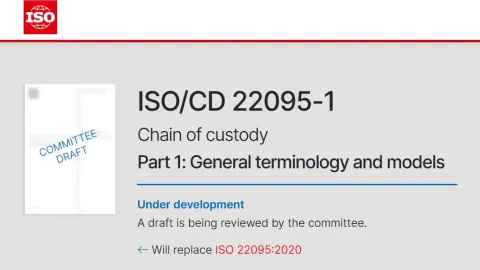
ISO 22095-1 Chain of Custody Revision Reaches Committee Draft Stage
ISO 22095-1 has reached the Committee Draft stage, moving the revision of the general chain of custody framework into formal consultation.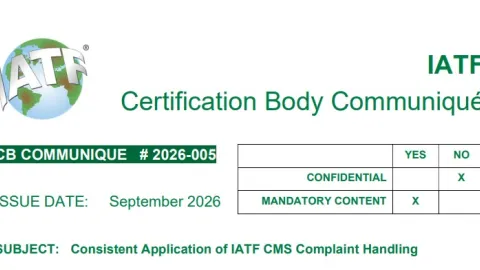
IATF Clarifies Complaint Handling for Certification Bodies
The International Automotive Task Force (IATF) has issued new guidance for certification bodies on handling vehicle manufacturer performance complaints through the IATF Complaint Management System (IATF CMS).
How SBTi and GHG Protocol Updates Expand Options for Corporate Emissions Accounting
Changes from the Science Based Targets initiative (SBTi) and Greenhouse Gas Protocol, two major frameworks for corporate climate targets and greenhouse-gas accounting, are expanding the options companies have for addressing and accounting for value-chain emissions.
ISO 9001:2026 Officially Launched
The sixth edition of ISO 9001, the world’s most widely used quality management system standard, has been officially launched by ISO during a virtual press conference.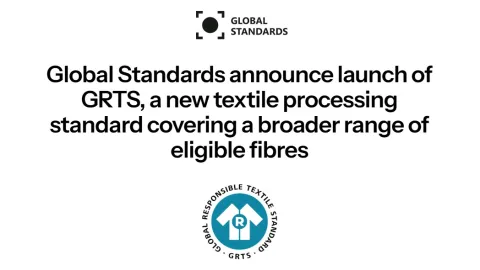
Global Responsible Textile Standard (GRTS) Launches for Certification of Wider Range of Fibers
Global Standards has launched the Global Responsible Textile Standard (GRTS), a new certification standard for textiles made from a wider range of plant, animal, synthetic, man-made cellulosic and recycled fibers.
ISO 45001 Second Edition Clears DIS Ballot With Overwhelming Support
The draft second edition of ISO 45001 has passed its Draft International Standard (DIS) vote with only one vote against, moving the revision closer to its planned publication in the first half of 2027.