
Management Systems World
All on Quality and other Standards in one place since 2010. Now Worldwide.
News Balkan
Please note that you have to be a registered member with paid membership in order to see full articles.
RegisterSelected News
ISBIH Glasnik 1/2026: From Autonomous Vehicles to Bosnian Standardization News
The Institute for Standardization of Bosnia and Herzegovina (ISBIH) has published Glasnik 1/2026 and a separate Official Notices bulletin covering standards updates and other standardization announcements.
Croatia Adopts New Edition of ISO/IEC 17020
The Croatian Accreditation Agency (HAA) has informed accredited inspection bodies that the new edition of HRN EN ISO/IEC 17020:2026 has been published in Croatia.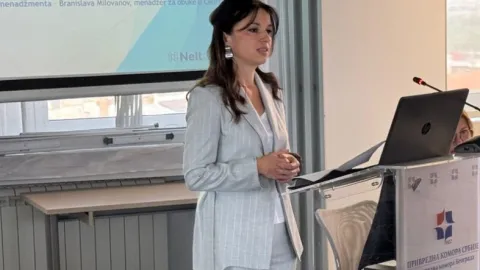
Nelt Group Hosts Quality and Supply Chain Conference in Belgrade
The Quality Sector of Nelt Group, in cooperation with the Chamber of Commerce and Industry of Serbia (PKS), organized a two-day Quality and Supply Chain Conference in Belgrade on May 27-28.
Albanian and Tunisian Accreditation Bodies Pass EA Peer Review, TUNAC Expands Recognition
The European co-operation for Accreditation (EA) has confirmed that the Albanian Directorate of Accreditation (DPA) and the Tunisian Accreditation Council (TUNAC) successfully passed recent peer evaluations,
Environmental Management and Digital Transformation Headline New HZN e-Glasilo
The Croatian Standards Institute (HZN) has published issue 5/2026 of HZN e-Glasilo, with environmental management and digital transformation emerging as the publication's leading themes.
Montenegro Invites Proposals for 2027 National Standards Plan
The Institute for Standardization of Montenegro (ISME) has opened a public call for participation in the development of Montenegro’s 2027 plan for adopting national standards and related documents.
Serbian Editions of Revised ISO 17020 and ISO 17024 Released
The Institute for Standardization of Serbia (ISS) has published Serbian-language editions of ISO/IEC 17020 and ISO/IEC 17024 following the recent release of the new third editions of both conformity assessment standards.
Sorsix Becomes First in Europe’s Public Health Sector to Earn ISO 42001 Certification
Sorsix has become the first organization in Europe to have governance for a live national healthcare system certified under ISO/IEC 42001, the international standard for AI management systems.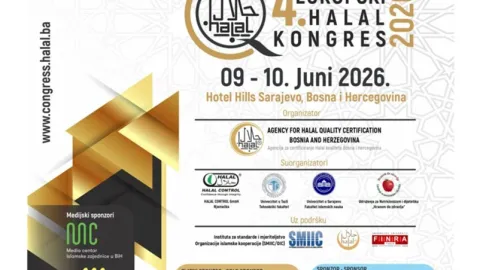
Sarajevo to Host Fourth European Halal Congress in June 2026
The Agency for Halal Quality Certification of Bosnia and Herzegovina will host the Fourth European Halal Congress in Sarajevo on June 9-10, 2026,
Montenegro Standards Body Forms BIM Technical Committee
The Institute for Standardization of Montenegro (ISME) has formed a new technical committee focused on Building Information Modelling (BIM), expanding the country’s work on digital standards for the construction sector.
Regional Standards Bodies Discuss SMART Standards and Eurocodes in Sarajevo
The Institute for Standardization of Bosnia and Herzegovina (ISBIH) hosted a regional meeting of national standardization bodies on May 11 and 12 in Sarajevo,
Reptil Markets and Rade Koncar Showcase Energy Savings Through ISO 50001 Project
Reptil Markets and Rade Koncar TEP have reported lower energy consumption and reduced CO₂ emissions after implementing ISO 50001 through an International Organization for Standardization (ISO) sustainability project in North Macedonia.Global News
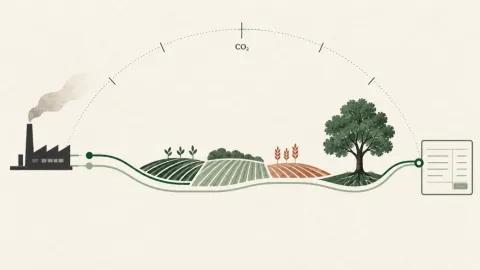
How SBTi and GHG Protocol Updates Expand Options for Corporate Emissions Accounting
Changes from the Science Based Targets initiative (SBTi) and Greenhouse Gas Protocol, two major frameworks for corporate climate targets and greenhouse-gas accounting, are expanding the options companies have for addressing and accounting for value-chain emissions.
ISO 9001:2026 Officially Launched
The sixth edition of ISO 9001, the world’s most widely used quality management system standard, has been officially launched by ISO during a virtual press conference.
Global Responsible Textile Standard (GRTS) Launches for Certification of Wider Range of Fibers
Global Standards has launched the Global Responsible Textile Standard (GRTS), a new certification standard for textiles made from a wider range of plant, animal, synthetic, man-made cellulosic and recycled fibers.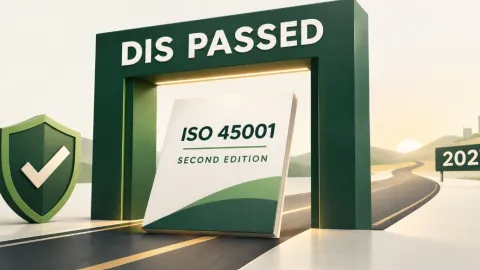
ISO 45001 Second Edition Clears DIS Ballot With Overwhelming Support
The draft second edition of ISO 45001 has passed its Draft International Standard (DIS) vote with only one vote against, moving the revision closer to its planned publication in the first half of 2027.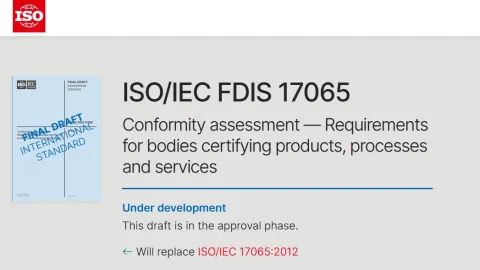
Second Edition of ISO/IEC 17065 Reaches Final Approval Phase
The second edition of ISO/IEC 17065, which sets requirements for bodies that certify products, processes and services, has moved further into the final approval process and is now at stage 50.20 of the Final Draft International Standard (FDIS) phase.
SMART Initiative Enters Pilot Phase in October, Testing Nine Standards
A pilot of the ISO and IEC SMART standards initiative will begin in October, testing nine selected international standards.
New Net Zero Carbon Cities Standard Project Approved as ISO 37115-2
The International Organization for Standardization (ISO) has approved a proposal for ISO 37115-2, a new standard that will set out principles and fundamentals for net zero carbon cities.
First Edition of ISO 41002 Guides Development of Facility Management Organizations
The first edition of ISO 41002 gives organizations guidance on how to develop and structure their facility management function across strategic, tactical and operational levels.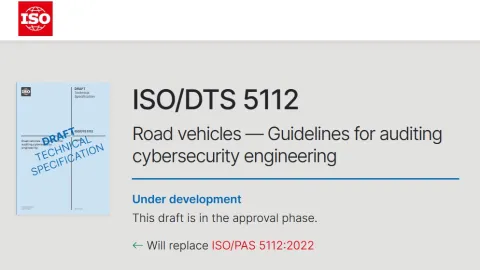
ISO/DTS 5112 Road Vehicle Cybersecurity Audit Guidance Reaches Final Approval Stage
ISO/DTS 5112, the draft Technical Specification for auditing cybersecurity management systems (CSMS) across the automotive supply chain, has reached the final approval stage.
ISO 37011 Webinars on Purpose-Driven Organizations Set for September 22 and 23
Two international webinars on ISO 37011, the draft guidance standard for purpose-driven organizations, will be held on September 22 and 23 ahead of consultation on the draft beginning September 24, 2026.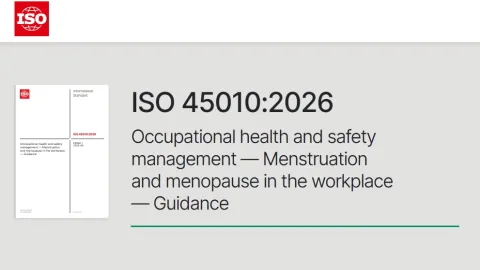
ISO 45010 Becomes First International Standard on Menstruation and Menopause at Work
ISO has published ISO 45010, the first International Standard focused on supporting employees experiencing menstruation and menopause at work.