Management Systems World
All on Quality and other Standards in one place since 2010. Now Worldwide.
Blogs
Please note that you have to be a registered member with paid membership in order to see full articles.
Register
Quality Culture Requirement in ISO 9001 Is an Admission of Failure
The new quality culture requirement in ISO 9001 is an admission that the existing quality management model has failed to deliver on its promises.
As AI's Role Grows, Auditing Faces a Fundamental Transformation
Artificial intelligence (AI) could transform the very nature of management system auditing, certification, and accreditation, along with the roles of the people involved.
No Extra Revenue, No Unnecessary Audits: Certification Body Takes a Different Approach to ISO 9001 and ISO 14001 Transitions
Certification body Interface NRM has committed to making the transition to ISO 9001:2026 and ISO 14001:2026 with minimal additional work and expense for its clients, without seeking additional revenue from the revised standards.
Three Pillars to Stop QMS Fragmentation From Hurting Manufacturers' Margins
Fragmented quality management systems (QMS) can quietly eat into manufacturers' profit margins and weaken oversight across multiple sites.
All the Terrible Ways to Make Friends as a Quality Manager
Want to make enemies at work?
Why Auditors Hate ISO/IEC 42001 (or How It's Being Implemented)
Auditing ISO/IEC 42001 can be frustrating when organizations overlook the basic requirements for managing artificial intelligence (AI) risks and impacts.
Now Is the Time to Help Shape Circular Economy Standards
In an interview with the Belgian Bureau for Standardisation (NBN), Benjamin de Ville de Goyet, Project Manager for Sustainable Systems & Consumers at CEN and CENELEC, discusses the importance of standards for the circular economy and why this is the right time for professionals to contribute to their development.
My First Audit as the Auditor: 5 Lessons for the QMSR Era
This text was written by Sagar Aedla, a senior quality engineer with more than nine years of experience in the medical device industry, an ASQ Certified Quality Engineer (CQE), and an ISO 13485 lead auditor.
Accreditation Should Not Depend on Who Shows Up
Accreditation assessment results should be consistent and based on objective evidence, not the personal interpretations or preferences of individual assessors.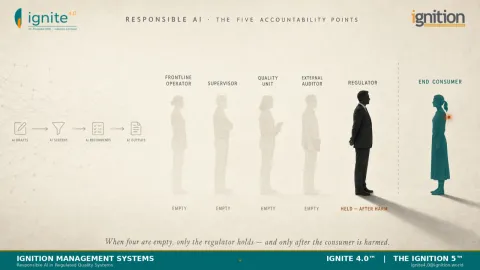
Responsible AI and ISO/IEC 42001 Are Already Here, Not Just on the Horizon
Responsible AI and human accountability are already being enforced through existing quality regulations.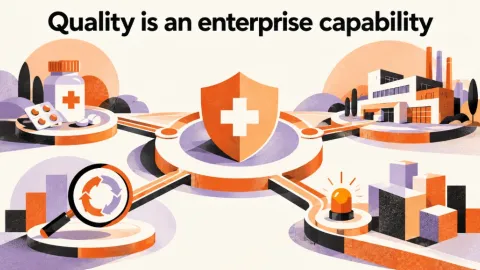
Principles Behind the Strongest Quality Organizations
Quality organizations create the greatest value when they go beyond compliance and help businesses make better decisions.
From Quality Control to Quality Assurance: Doing Better With a Smaller Team
A smaller quality team can be more effective when routine checks are shared across the business, allowing quality professionals to focus on preventing problems rather than simply finding defects.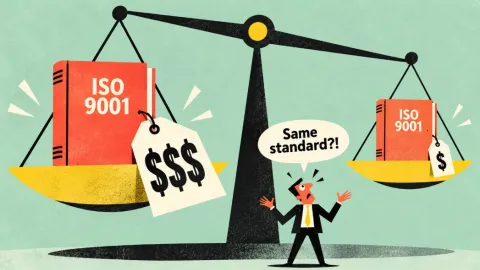
Buying ISO Standards for a Fraction of the Usual Price
Organizations buying ISO standards may be able to pay far less than expected.
Quality Pros Juggle Audits, Problems, People and Everything in Between
As experience shows, quality professionals can end up carrying far more than the usual demands of the quality management system (QMS).
The CQO Question Exposes a Mismatch in How Companies Treat Quality
ISO 9001:2026 has prompted a renewed question about who owns quality at the highest level of an organization.
Getting the ISO 9001:2026 Transition Right
The ISO 9001:2026 transition can be handled as little more than a set of tasks to complete, but that risks missing what the process should achieve: understanding what has changed, what those changes mean for the organization, and whether they work in practice.
When Quality Reports to Operations, Who Can Say Stop?
An organisational chart may show a Head of Quality. The real test comes when a quality decision threatens a shipment, a production target or a budget.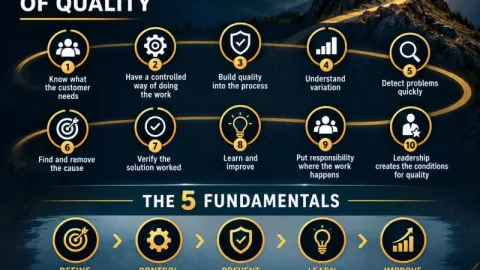
10 Fundamentals of Quality, Simplified Into a Practical Framework
What does quality come down to once the standards, procedures and terminology are stripped away?
How Software Validation Safeguards Quality Under ISO 13485
Clause 4.1.6 of ISO 13485 is an often-overlooked requirement covering the validation of software used in a quality management system.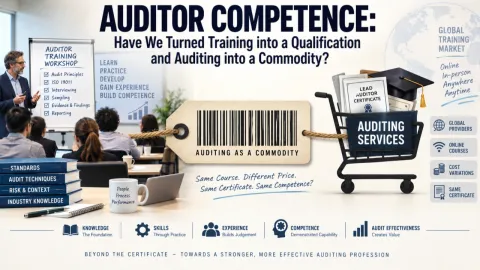
What Separates Auditor Training, Qualification, Authorization and Demonstrated Competence?
Are organizations developing competent auditors or placing too much emphasis on training courses, qualifications and certificates?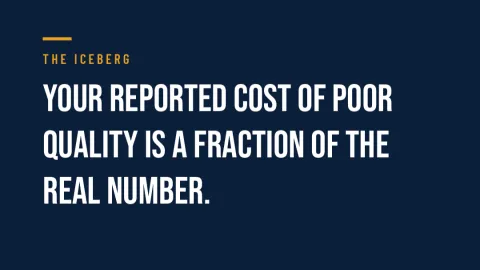
Reported Cost of Poor Quality Is Only the Tip of the Iceberg
Poor quality may be costing organizations far more than their reports show, and that gap can lead to misguided business decisions.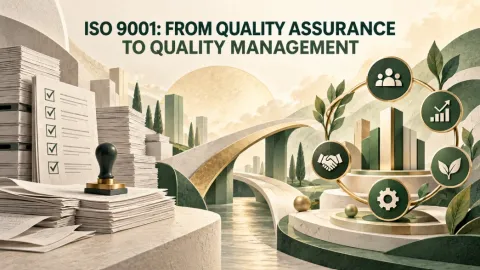
ISO 9001’s Turning Point From Quality Assurance to Quality Management
Is ISO 9001 a quality assurance standard or a quality management standard?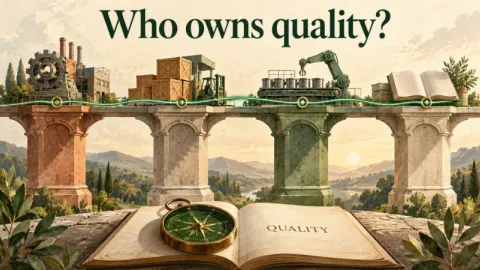
The Trap of Accumulating Too Much Responsibility in Quality
Quality departments risk taking on more and more responsibility for issues that other parts of an organization should own.