Management Systems World
All on Quality and other Standards in one place since 2010. Now Worldwide.
Please note that you have to be a registered member with paid membership in order to see full articles.
Register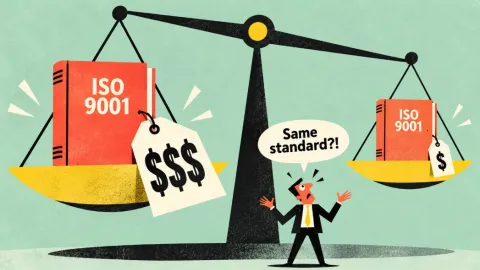
Buying ISO Standards for a Fraction of the Usual Price
Organizations buying ISO standards may be able to pay far less than expected.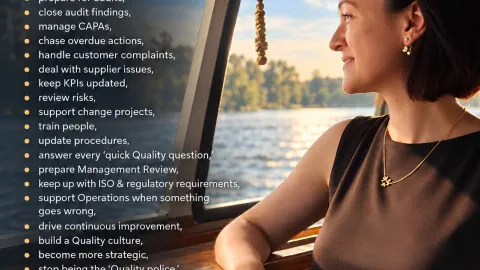
Quality Pros Juggle Audits, Problems, People and Everything in Between
As experience shows, quality professionals can end up carrying far more than the usual demands of the quality management system (QMS).
The CQO Question Exposes a Mismatch in How Companies Treat Quality
ISO 9001:2026 has prompted a renewed question about who owns quality at the highest level of an organization.
When Quality Reports to Operations, Who Can Say Stop?
An organisational chart may show a Head of Quality. The real test comes when a quality decision threatens a shipment, a production target or a budget.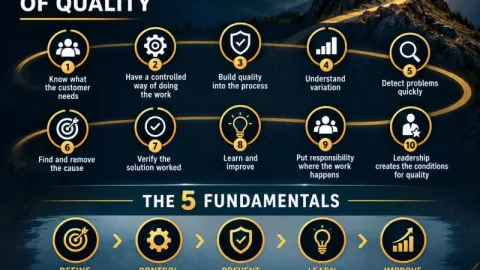
10 Fundamentals of Quality, Simplified Into a Practical Framework
What does quality come down to once the standards, procedures and terminology are stripped away?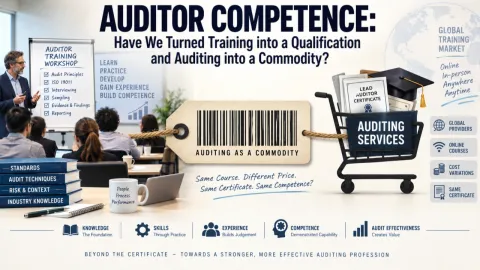
What Separates Auditor Training, Qualification, Authorization and Demonstrated Competence?
Are organizations developing competent auditors or placing too much emphasis on training courses, qualifications and certificates?
Reported Cost of Poor Quality Is Only the Tip of the Iceberg
Poor quality may be costing organizations far more than their reports show, and that gap can lead to misguided business decisions.
The Trap of Accumulating Too Much Responsibility in Quality
Quality departments risk taking on more and more responsibility for issues that other parts of an organization should own.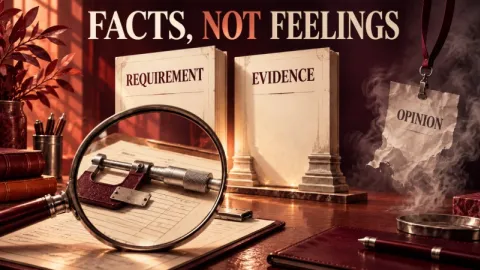
Auditors, Your Opinions Are Not Nonconformities
An auditor cannot report a nonconformity just because something seems wrong.
How SDGs, ISO Standards and ESG Work Together for Companies
The Sustainable Development Goals (SDGs), ISO management system standards and environmental, social and governance (ESG) practices can work together to connect broad sustainability ambitions with the way companies set priorities, manage operations and measure results.
Seven Criteria for Choosing an eQMS That Fits Your Operations
The growing number of electronic quality management systems (eQMS) on the market can make choosing the right platform more difficult, especially when many come with similar features and promises.
When Quality Fails, Look at the System Before Blaming the Culture
When quality problems keep returning, management often concludes that the organization has a culture problem.
Rise of Customer Service Apps: How Product Degradation Is Sold as Empowerment
As customer service apps become more common, Pragmatic Quality Leader Michael Mills asks whether replacing human support with self-service technology really represents an advance in product Quality.
Seven-Figure Penalty for Deepak Jain, but Questions Over AiNET’s Other Certificates Remain
Deepak Jain faced a seven-figure penalty after federal investigators found that he fabricated letters claiming AiNET’s data center had been certified as Tier IV under TIA-942, the highest tier level for reliability, availability and security.
Tips for Surviving an ISO Audit
Auditors can sometimes stray into consultancy, turning personal preferences about how a control should be implemented into something that sounds like a requirement.
Quality’s ‘New Baseline’ Brings the Cost of Bad Decisions Into the Executive Room
Quality leaders should trace operational failures back to the business decisions that created them and bring their full financial consequences into executive discussions before the damage spreads across the organization.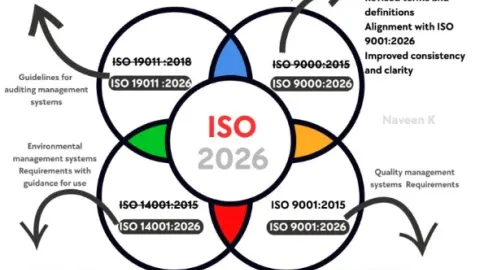
Preparing Your Management System for the ISO 2026 Updates
Several major ISO management system standards are changing in 2026, and organizations should start assessing the impact now rather than wait for certification transition timelines.
What CEOs Need Instead of Another Quality Report
CEOs do not need another report listing nonconformities, defects, or complaints without showing why they matter.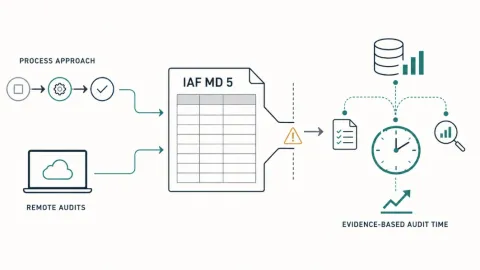
Time to Rethink How QMS Audit Duration Is Determined
QMS audit times are still determined by a method that has failed to keep pace with the process approach and how audits are conducted today.
ISO 9001 As a Solid Base for Meeting AQAP Requirements
Organizations that need to meet NATO’s Allied Quality Assurance Publications (AQAP) requirements for defense contracts already have a solid head start if they are certified to ISO 9001.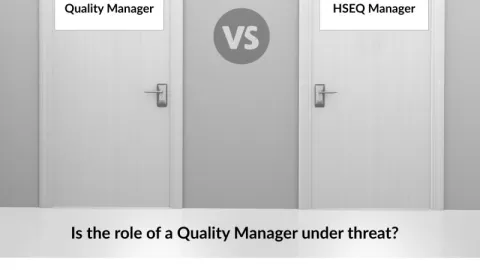
How to Adapt as More Quality Roles Merge into HSEQ
Quality professionals looking for their next role may need to adjust their job search as more employers combine quality, safety and environmental responsibilities into a single position.
The ‘ISO Paradox’: Certification Looks Like a Cost Until Its Practical Value Becomes Clear
Companies can pursue ISO certification as an unwanted expense, only to realize later that the management system they built has made the business work better.
If It's Only 'Between the Lines,' It's Not a Standard Requirement
Requirements should come from the standard itself, not from what is 'between the lines', argues Yasushi Tsukano, IATF Lead Auditor / IRCA Principal Auditor.