
Management Systems World
All on Quality and other Standards in one place since 2010. Now Worldwide.
Please note that you have to be a registered member with paid membership in order to see full articles.
Register
Exempting Accreditation Bodies From Supplier Controls Creates a Double Standard
A recent ISO Committee on Conformity Assessment (ISO/CASCO) clarification on ISO/IEC 17025 has triggered a forceful critique from Christopher Paris, founder and vice president of operations at Oxebridge.
Tips for Surviving an ISO Audit
Auditors can sometimes stray into consultancy, turning personal preferences about how a control should be implemented into something that sounds like a requirement.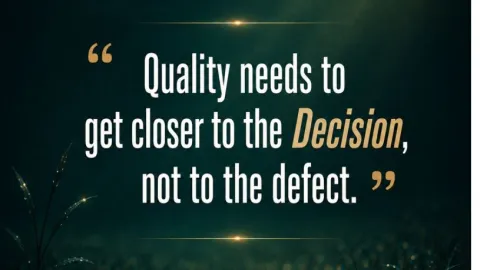
Quality’s ‘New Baseline’ Brings the Cost of Bad Decisions Into the Executive Room
Quality leaders should trace operational failures back to the business decisions that created them and bring their full financial consequences into executive discussions before the damage spreads across the organization.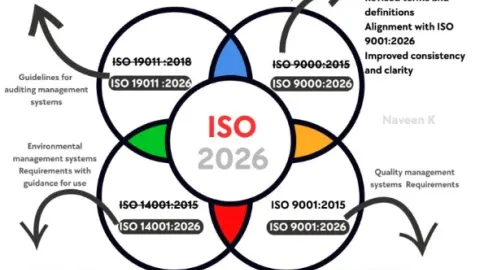
Preparing Your Management System for the ISO 2026 Updates
Several major ISO management system standards are changing in 2026, and organizations should start assessing the impact now rather than wait for certification transition timelines.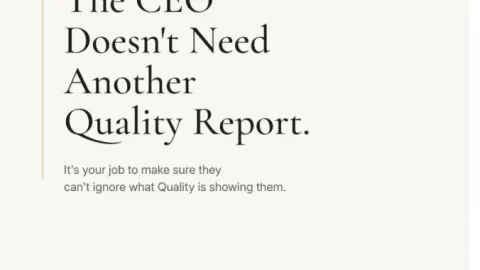
What CEOs Need Instead of Another Quality Report
CEOs do not need another report listing nonconformities, defects, or complaints without showing why they matter.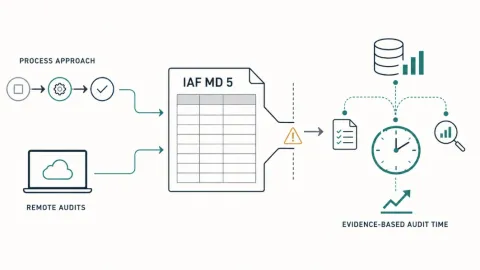
Time to Rethink How QMS Audit Duration Is Determined
QMS audit times are still determined by a method that has failed to keep pace with the process approach and how audits are conducted today.
ISO 9001 As a Solid Base for Meeting AQAP Requirements
Organizations that need to meet NATO’s Allied Quality Assurance Publications (AQAP) requirements for defense contracts already have a solid head start if they are certified to ISO 9001.
How to Adapt as More Quality Roles Merge into HSEQ
Quality professionals looking for their next role may need to adjust their job search as more employers combine quality, safety and environmental responsibilities into a single position.
The ‘ISO Paradox’: Certification Looks Like a Cost Until Its Practical Value Becomes Clear
Companies can pursue ISO certification as an unwanted expense, only to realize later that the management system they built has made the business work better.
If It's Only 'Between the Lines,' It's Not a Standard Requirement
Requirements should come from the standard itself, not from what is 'between the lines', argues Yasushi Tsukano, IATF Lead Auditor / IRCA Principal Auditor.
How Well Do Internal Auditors Need to Know the Standard?
Internal auditors do not always need to know every requirement of a management system standard.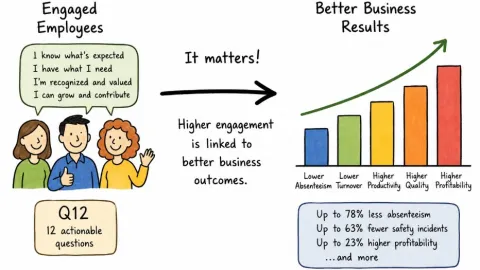
Employee Engagement Benefits Backed by More Than Common Sense
The idea that engaged employees produce better quality and business results may seem like common sense, but Michael Mills asks whether it stands up to evidence.
An Insider's Perspective on the Digital Future of Management System Auditing
As management system auditing enters the digital era, Sheronda Jeffries explains how ISO 19011:2026 helps auditors adapt to new technologies while reinforcing the importance of human judgment.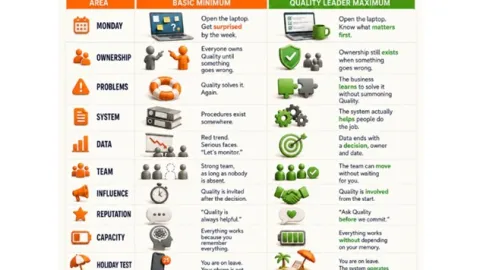
Moving From Quality Minimum to Business Excellence
Many quality functions succeed at keeping the business under control, but far fewer are designed to help it achieve business excellence / continual improvement.
For Auditors, Adaptability Is as Important as Evaluating Systems
ISO auditing is not just about evaluating management systems.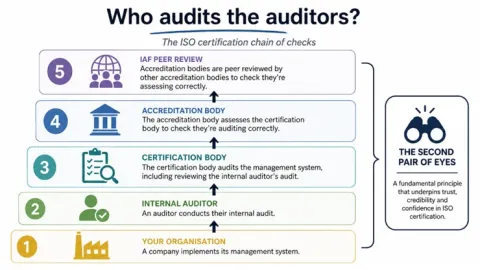
Independent Oversight at Every Level Is What Gives ISO Certification Its Credibility
A "second pair of eyes" reviews every stage of accredited certification to ISO management system standards.
Three Strengths Every Manufacturing Quality Manager Needs
Finding the right Quality Manager has become one of manufacturing's toughest hiring challenges because the role requires a combination of strengths that are rarely found in one person.
Audit Programs Should Focus on Risks, Not Just Schedules
An effective audit program should focus on the risks that matter most, not simply ensure every area is audited according to plan.
Proving Certification of Person Value Requires Better Evidence
The demand for evidence showing the real-world value of certifications is growing, but certification bodies often lack data on what happens after individuals earn their credentials.
When Optimization Starts to Undermine Resilience
Systems that perform exceptionally well under normal conditions can become difficult to change when circumstances shift.
Same Standards, Different Lessons Across U.S. States
Auditing organizations across U.S. states can vary considerably, sometimes to the point of feeling like auditing different countries.
The Most Frustrating Quality Work Often Teaches the Most
The tasks nobody clearly owns are often the ones that reveal how organizations really function and provide some of the biggest opportunities for professional growth.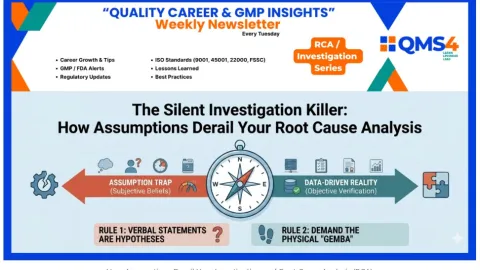
Avoiding the Assumption Trap in Root Cause Analysis
When production stops unexpectedly, the pressure to find a quick explanation — and the pull of confirmation bias — can be just as dangerous as the problem itself.