Management Systems World
All on Quality and other Standards in one place since 2010. Now Worldwide.
News
Please note that you have to be a registered member with paid membership in order to see full articles.
RegisterSelected News
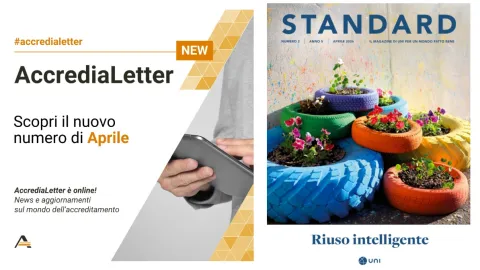
UNI and Accredia Release April Editions of Their Monthly Publications
The Italian National Unification Body (UNI) and the Italian accreditation body Accredia have released the April 2026 editions of their monthly publications, STANDARD and AccrediaLetter.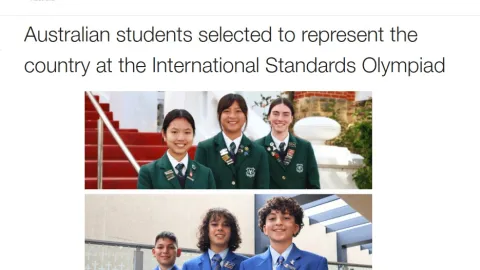
Australia Selects First Teams for International Standards Olympiad
The Standards Australia (SA) has selected two school teams to represent the country at the 21st International Standards Olympiad, marking Australia’s first participation in the event.
EN 18235-1 Sets Foundation for Trusted Data Sharing in Europe
CEN and CENELEC have published EN 18235-1:2026, setting out a common framework for trusted data transactions across organizations.
Serbia Opens Public Review of Serbian Translation of Updated ISO 14001
The Institute for Standardization of Serbia (ISS) has opened a public consultation on the draft naSRPS EN ISO 14001:2026, inviting experts to comment on the Serbian translation of the updated environmental management standard.
Montenegro Adopts 2026 Plan for National Standards Development
The Institute for Standardization of Montenegro (ISME) has adopted its annual plan for 2026, setting out the standards and related documents to be introduced, updated, or reviewed during the year.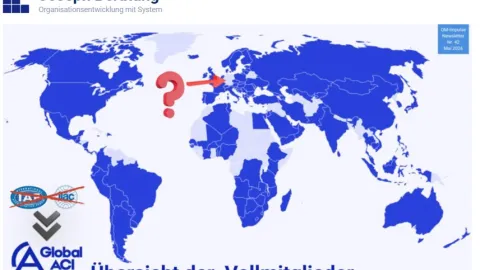
DAkkS Remains In International Accreditation System Even Without Direct Global ACI Membership
The German Accreditation Body (DAkkS) remains effectively part of the global accreditation system through the European co-operation for Accreditation (EA),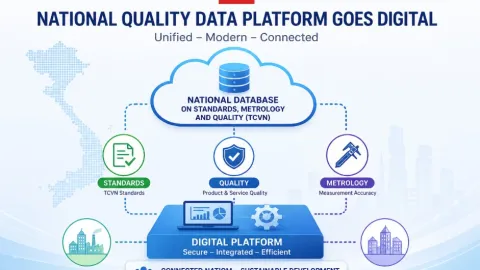
Vietnam Establishes National Database for Standards, Metrology and Quality
The Commission for Standards, Metrology and Quality of Viet Nam (STAMEQ) has defined a unified national database for standards, metrology and quality underDecree 22/2026/ND-CP,
Italy Expands Workplace Safety Prevention Through Free Access To UNI Standards
The Italian Ministry of Labour and Social Policies (MLPS), the National Institute for Insurance against Accidents at Work (INAIL), and the Italian National Standardization Body (UNI) have signed a three-year agreement to provide free access to technical standards on workplace health and safety.
ANSI Starts National Effort To Align Critical Minerals Standards Across The Supply Chain
The American National Standards Institute (ANSI) has launched a multi-phase initiative to coordinate standards for critical minerals, aiming to strengthen U.S. supply chains and reduce reliance on foreign sources.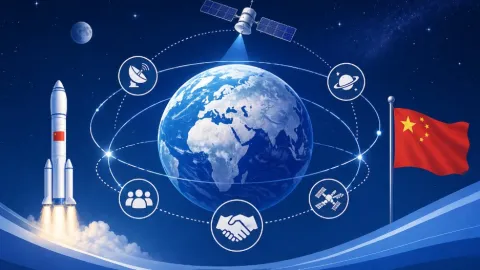
China Introduces First Commercial Space Standards System Covering Full Industry Chain
The China National Space Administration (CNSA) and the State Administration for Market Regulation (SAMR) have released the Commercial Space Standard System (Version 1.0), China’s first structured framework to guide the country’s growing private space sector.
CyberLink FaceMe Earns ISO 27701 Certification For Privacy Management
CyberLink Corp. has achieved ISO/IEC 27701 certification for its FaceMe facial recognition platform, confirming that its privacy management practices meet international requirements.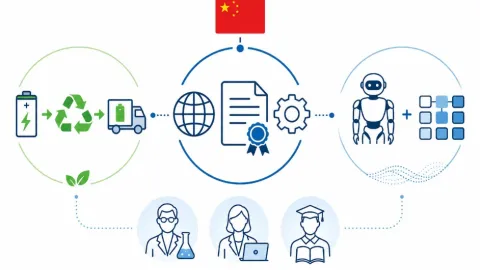
China Seeks Experts For International Standards On Battery Recycling And Humanoid Robot Data
The Standards Innovation Department of the State Administration for Market Regulation (SAMR) is inviting experts to join national groups supporting two international standards, one on handling end-of-life power batteries and another on datasets used to train humanoid robots.Global News
Draft of ISO 11135 for Medical Device Sterilization Under Review
A revision of ISO 11135, the global standard for ethylene oxide sterilization of medical devices, is now in the Draft International Standard (DIS) stage and under review by ISO member bodies.
Promoting Safer Bicycle Tourism Worldwide With New ISO 11956
A new international standard, ISO 11956:2025, has been published to support safe and responsible bicycle tourism across the globe.
Equitable Earth Forest Carbon Credit Standard Aims to Restore Market Trust
A new forest carbon credit standard and accreditation system are expected to launch by 2026 under the leadership of Equitable Earth.
ISO 18295 Revision: Modern Communication Trends Reshape Customer Contact Standards
The International Organization for Standardization (ISO) has launched a revision of its two customer contact standards, ISO 18295-1 and ISO 18295-2, to reflect current communication practices and the growing role of artificial intelligence in customer interactions.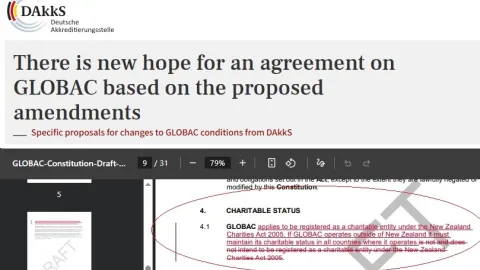
DAkkS Proposes GLOBAC Fix: No Conflicts of Interest, No Profit Motive
The German Accreditation Body (DAkkS) has proposed legal changes to GLOBAC that would allow EU national accreditation bodies to join without violating European law.
France and Norway to Lead Committee in Charge of ISO 9000 Family of Standards
The French Standardization Association (AFNOR) and Standard Norway (SN) will jointly lead ISO/TC 176, Quality management and quality assurance, the ISO technical committee responsible for the ISO 9000 family of quality management standards.
Second Consultation Round Begins for Global Organic Textile Standard Version 8.0
The second public consultation for Version 8.0 of the Global Organic Textile Standard (GOTS) is now open and will run until August 15, 2025.
TÜV Süd Launches Voluntary Test Mark for Low-Risk AI Systems
TÜV Süd has launched a voluntary certification mark for low-risk AI (artificial intelligence) systems, allowing manufacturers to prove the quality of their AI solutions even when no legal requirements apply.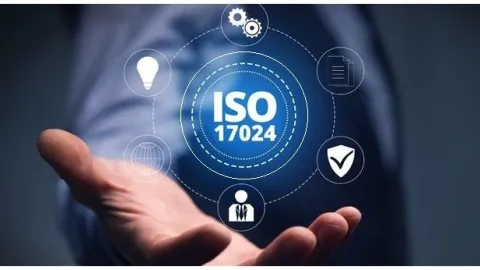
Draft of ISO 17024 for Certification of Persons Wins Overwhelming Approval
The draft of ISO/IEC 17024, a conformity assessment standard for certifying persons, has been approved by ISO, IEC, and CEN.
New ISO Agreement Proposed to Align Global Greenhouse Gas Accounting Rules
A new ISO International Workshop Agreement (IWA) has been proposed to harmonize greenhouse gas (GHG) accounting standards for industrial products and improve the comparability of emissions data across global supply chains.
Two New Papers Map AI and Multimedia Authenticity Standards
The AI and Multimedia Authenticity Standards Collaboration (AMAS) released two major papers on July 11 at the AI for Good Global Summit in Geneva.